


I got dust in my eye! What is a nebula and how does it form?
- Mar 20
- 7 min read
Updated: Mar 21
Space is almost a perfect vacuum, but there are points where this vacuum isn't so rigid. Nebulae are essentially gaseous and dusty areas of space. Think of the dust accumulating under your bed; over time, this dust clumps together and moves as a whole. Why did I give this example? Because this clumping in nebulae is actually the foundation upon which star systems are formed! Okay, let's put the joking aside and get serious. Now I'll answer your questions in detail: What is a nebula, how does it form, what are its characteristics, are there different types, and more!
Contents
What is a Nebula?
A nebula is a region of interstellar matter between outer space and stars that is denser than other regions. This density is due to a high concentration of cosmic dust, with approximately 90% hydrogen and the remainder composed of helium, oxygen, carbon, neon, nitrogen, and other elements.
What does Nebula mean?
The word nebula is directly derived from Latin and means "mist, mist, cloud." In its earliest English uses in the 1600s, nebula was a medical term that could refer to a cloudy formation in urine or a cloudy spot or film in the eye that caused vision problems. It was first used in the early 1700s to name large interstellar clouds of gas and dust.
The adjective "nebulous" also comes from the same Latin root as "nebula" and is quite old, first used in the early 1300s as a synonym for cloudy or foggy. However, like nebula, this adjective was not used in an astronomical sense until the mid-1600s.
If a friend asks you "Nebula?", say "Cloud or fog, my dear." If a question mark appears right in the middle of your friend's forehead, please let me know via my multi-dimensional email address. Thank you in advance.
How do nebulae form?
Nebulae form in two different ways: by particles existing in the interstellar medium coming together due to gravity, or by a star dying and leaving behind its remnants. A recent supernova can also play a role in nebula formation by disturbing interstellar matter. When stars are nearing death, they grow into red giants, and the hydrogen in their outer layers gradually disperses into space. The supernova remnants then form a nebula.
Nebula Characteristics
Nebulae, the clouds of gas and dust in space, have many characteristics:
Dust consists mostly of hydrogen and helium.
It is the birthplace of new stars.
There are five different types.
Some are bright, some are dark.
They have various colors due to different gases and elements.
They can be several or several hundred light-years in size.
They can have different temperatures among themselves and within themselves.
They can come in various forms.
Like everything else, nebulae move and change shape in space.
They can emit radio waves.
Some emit strong infrared radiation.

Star Formation from Nebulae
Star formation in a nebula takes approximately one million years. This process is usually initiated by a comet passing near the nebula or a nearby supernova explosion. The disturbed gas and dust particles interact with each other, forming a dense region that begins to accumulate. Over time, this condensation region begins to rotate around itself under the influence of gravity, gathering surrounding material. As material is drawn towards the center, its mass increases and it heats up more. As a result, a protostar, or primordial star, forms at the center over time, and due to gravity, the nebula transforms from a diffuse state into a disk. Once it has enough mass, the protostar completes its formation with a bidirectional burst of flow.
What are the different types of nebulae?
There are five types of nebulae in the universe:
Planetary Nebula
Emission Nebulae
Reflection Nebulae
Dark Nebulae
Supernova Remnants
Now let's examine each of these nebulae in detail.
What are planetary nebulae?
Planetary nebulae represent the final stages of evolution for low- to intermediate-mass stars with masses less than approximately 8 solar masses. These stars possess thick, dusty, molecular peristellar envelopes, a stage characterized by shell burning resulting in radial pulsations that cause massive mass loss. The dying star has shed its outer shell and become a dense, hot star surrounded by a shell of matter expanding at speeds of tens of kilometers per second.
Planetary nebulae typically appear as fairly round celestial objects with relatively high surface brightness. They get their name from their superficial resemblance to planets, meaning that when viewed through a telescope they appear more spiral-shaped compared to the chaotic forms of other nebula types.
Examples of Planetary Nebula Types
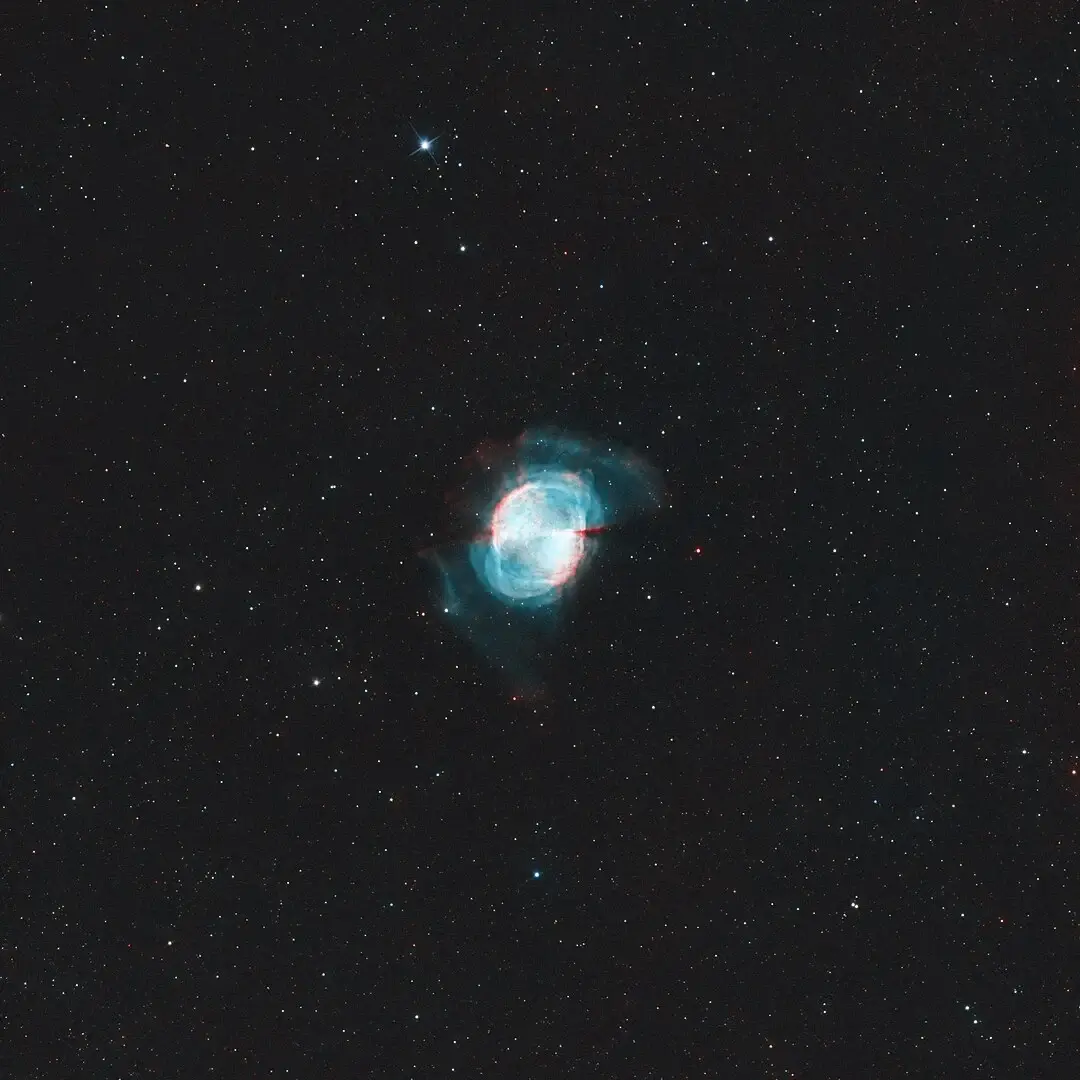
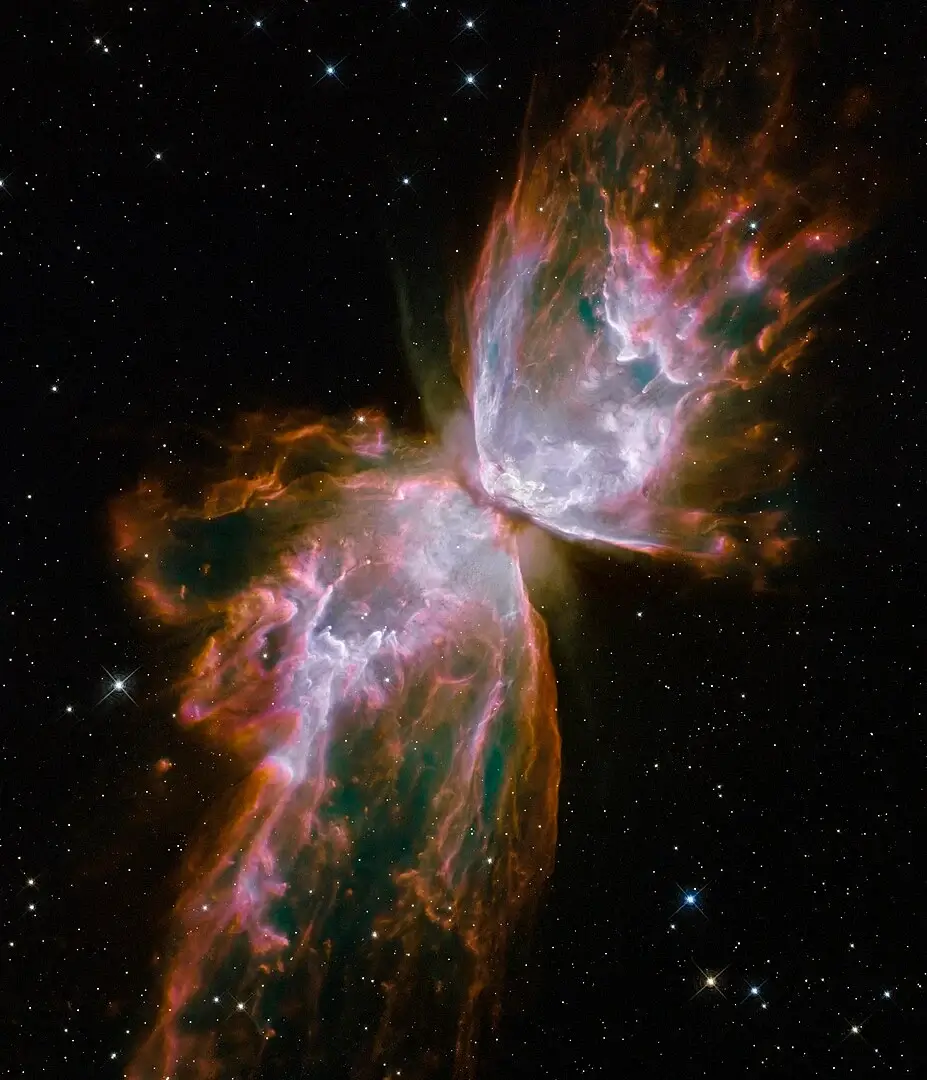
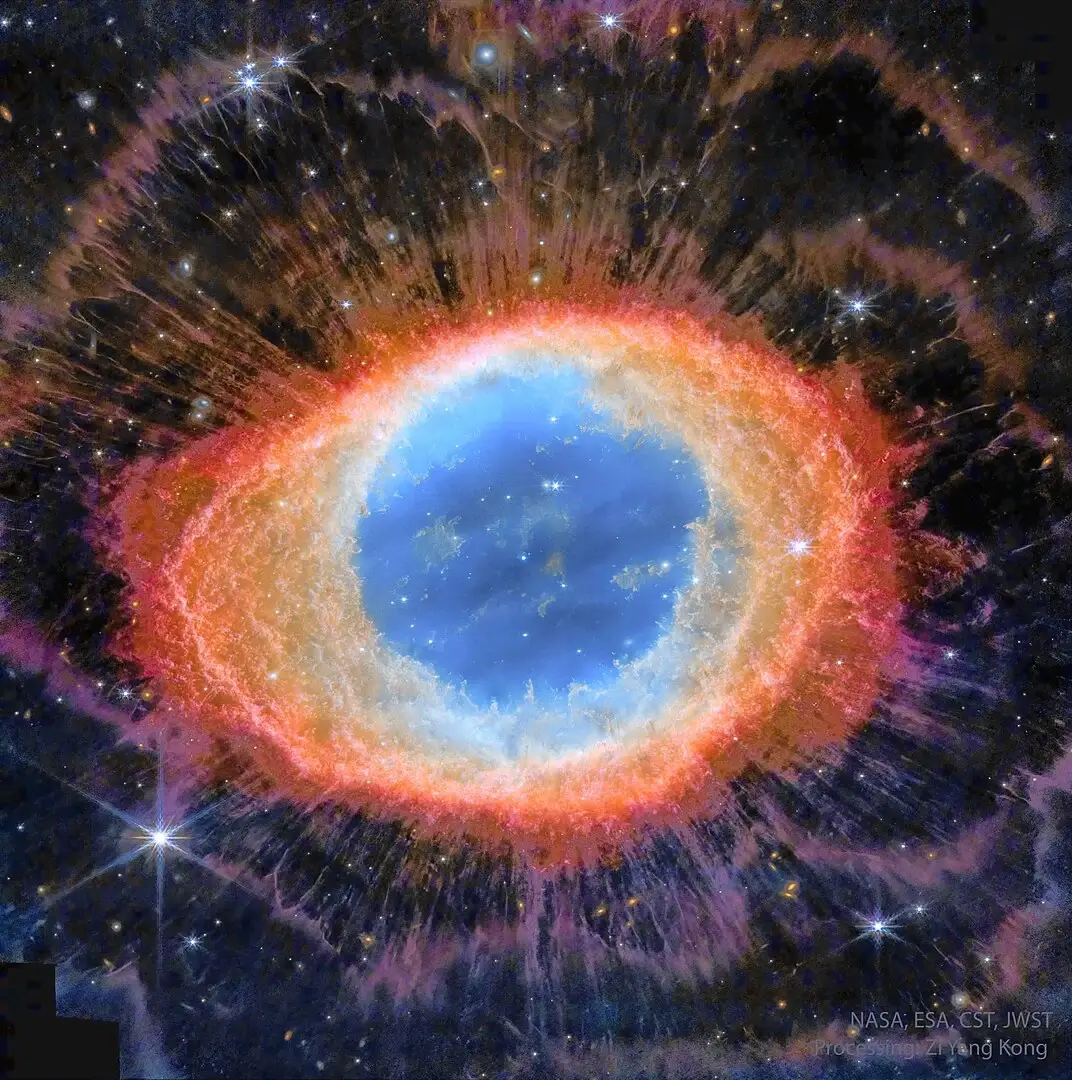
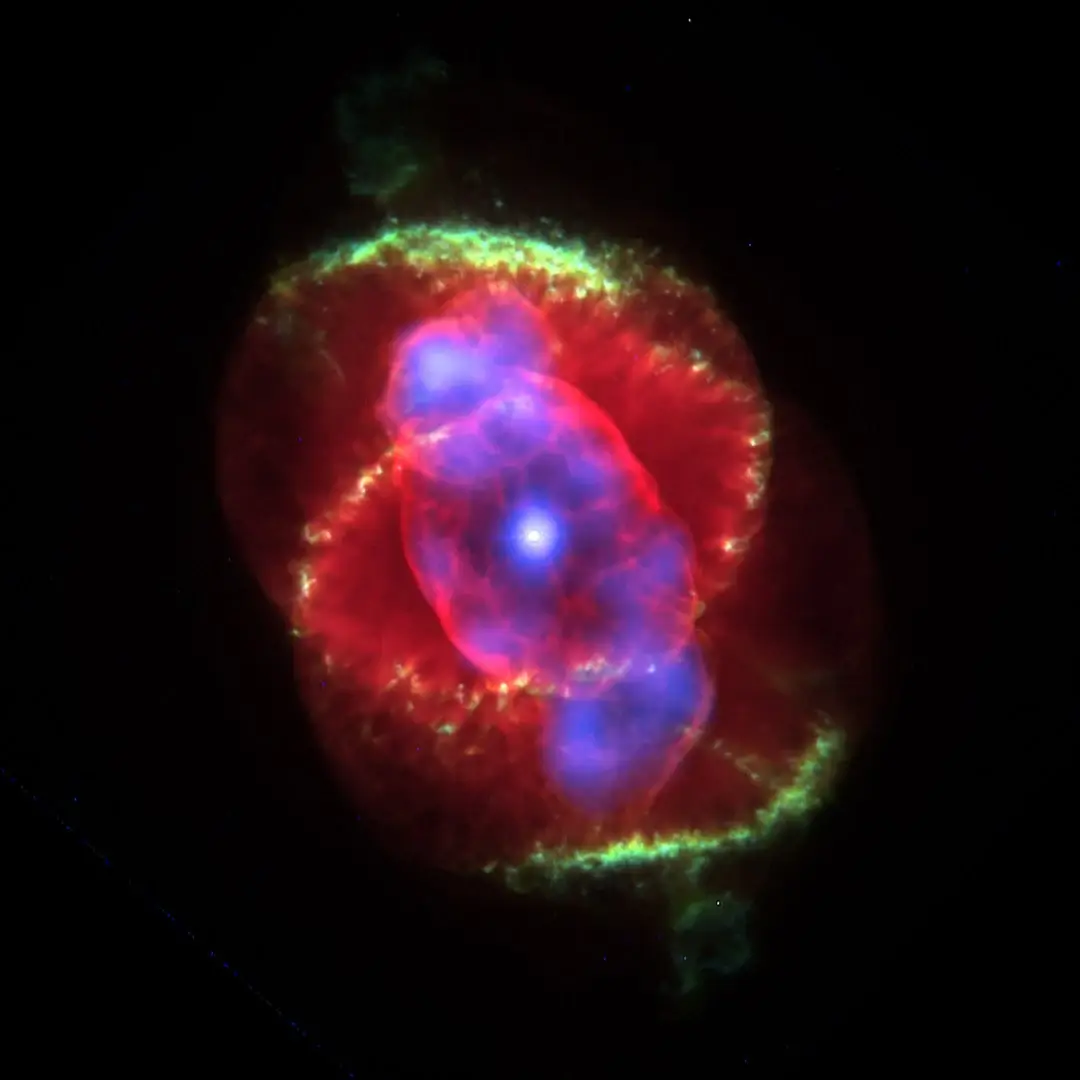
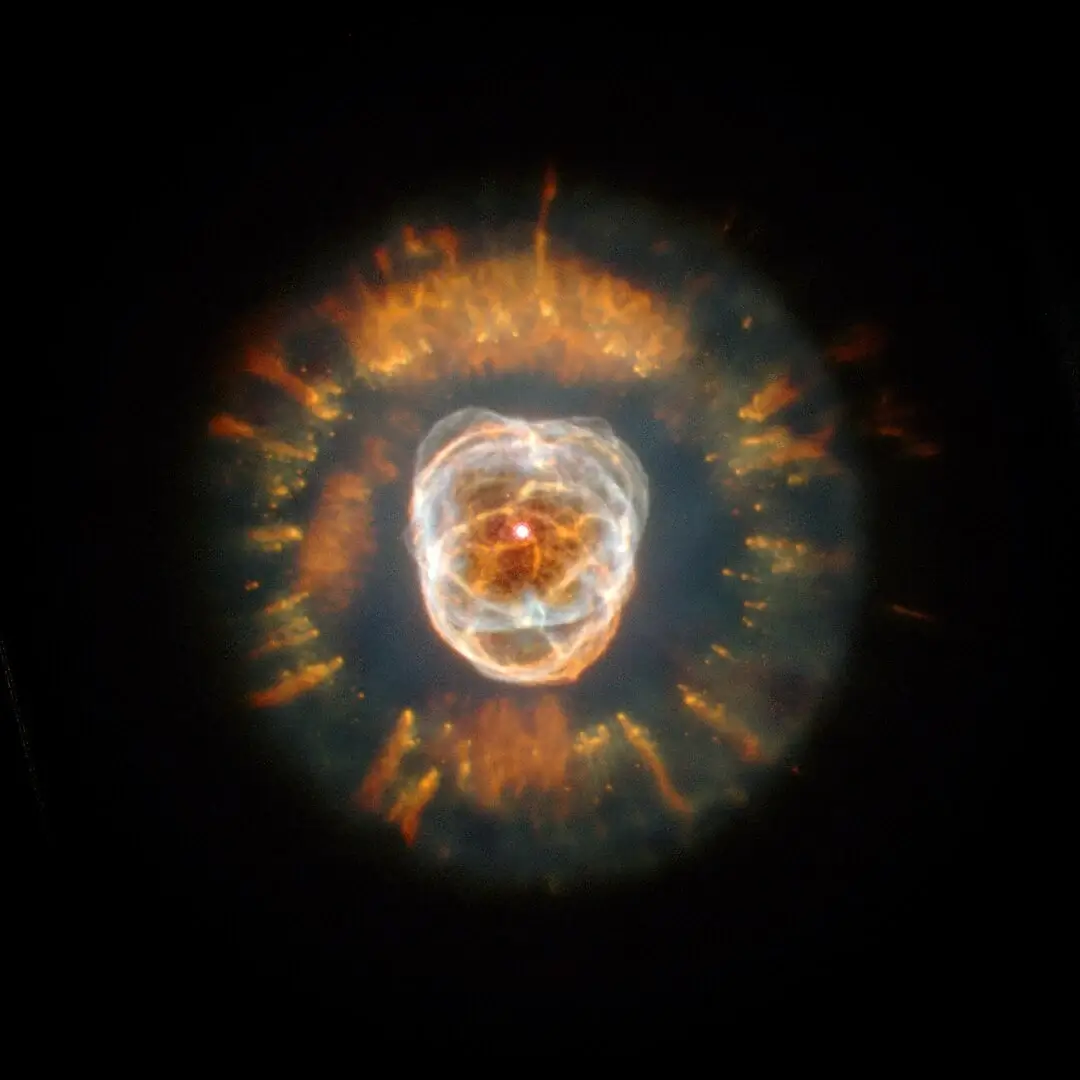
In order:
Messier 27
Butterfly Nebula (NGC 6302)
Ring Nebula
Cat's Eye Nebula
Eskimo Nebula
What are Emission Nebulae?
Emission nebulae, as the name suggests, are clouds of ionized gas that emit their own light at optical wavelengths. Their mass typically ranges from 100 to 10,000 solar masses, and this material can extend from a volume less than a light-year to several hundred light-years. Their average temperature is around 10,000 Kelvin. These types of emission nebulae are commonly referred to as HII regions (pronounced H-two regions), as it is common practice for astronomers to call neutral hydrogen HI (H-one) and ionized hydrogen HII.
One of the most common types of emission nebulae forms when an interstellar gas cloud dominated by neutral hydrogen atoms is ionized by nearby O and B type stars. These extremely hot and luminous stars emit large amounts of high-energy ultraviolet (UV) photons that split the neutral hydrogen atoms into hydrogen nuclei and electrons. These then recombine to form neutral hydrogen again, but this time in an excited state. As the neutral hydrogen atom returns to its lowest energy state, it emits photons at wavelengths equivalent to the energy differences between the allowed energy states of hydrogen.
Examples of Emission Nebula Types
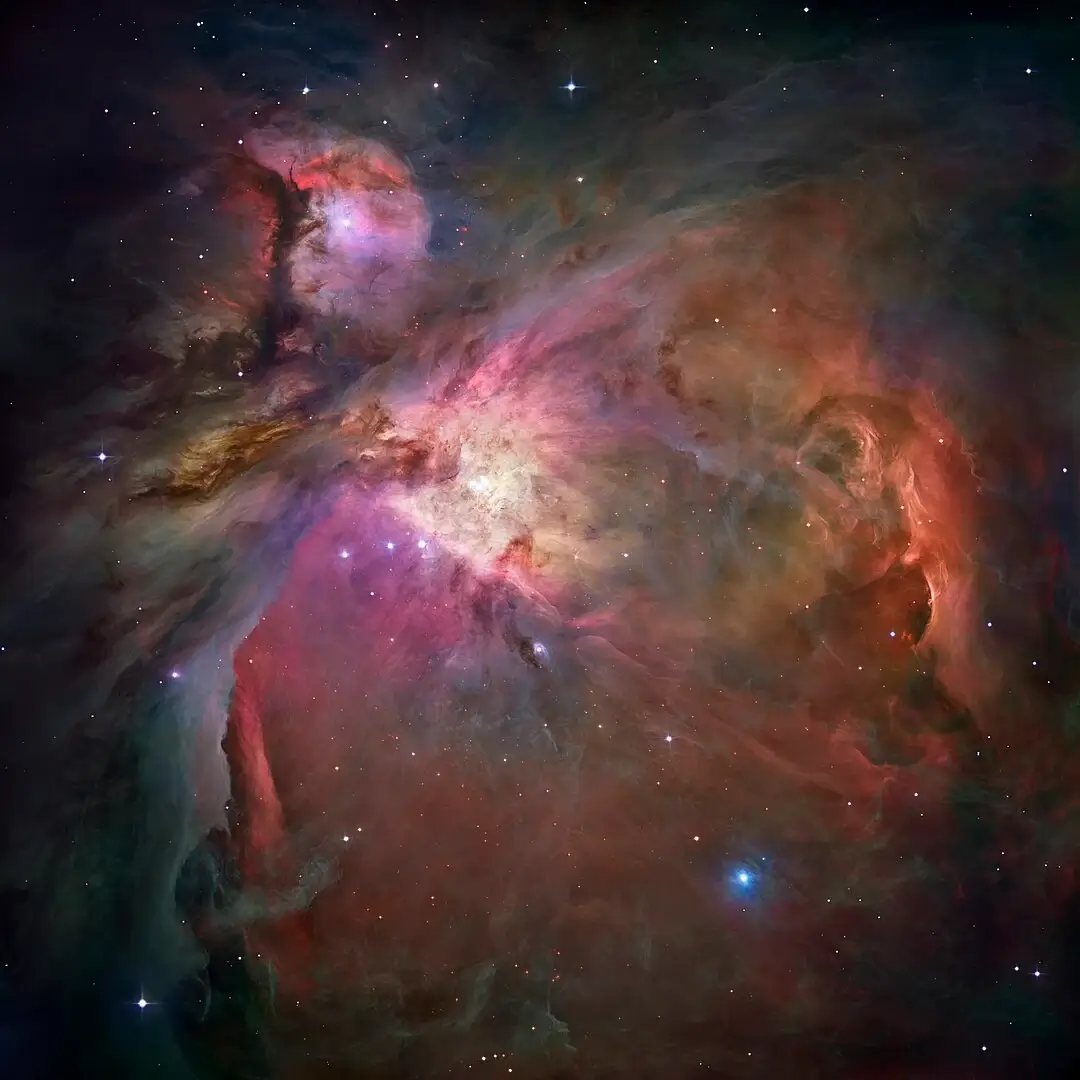
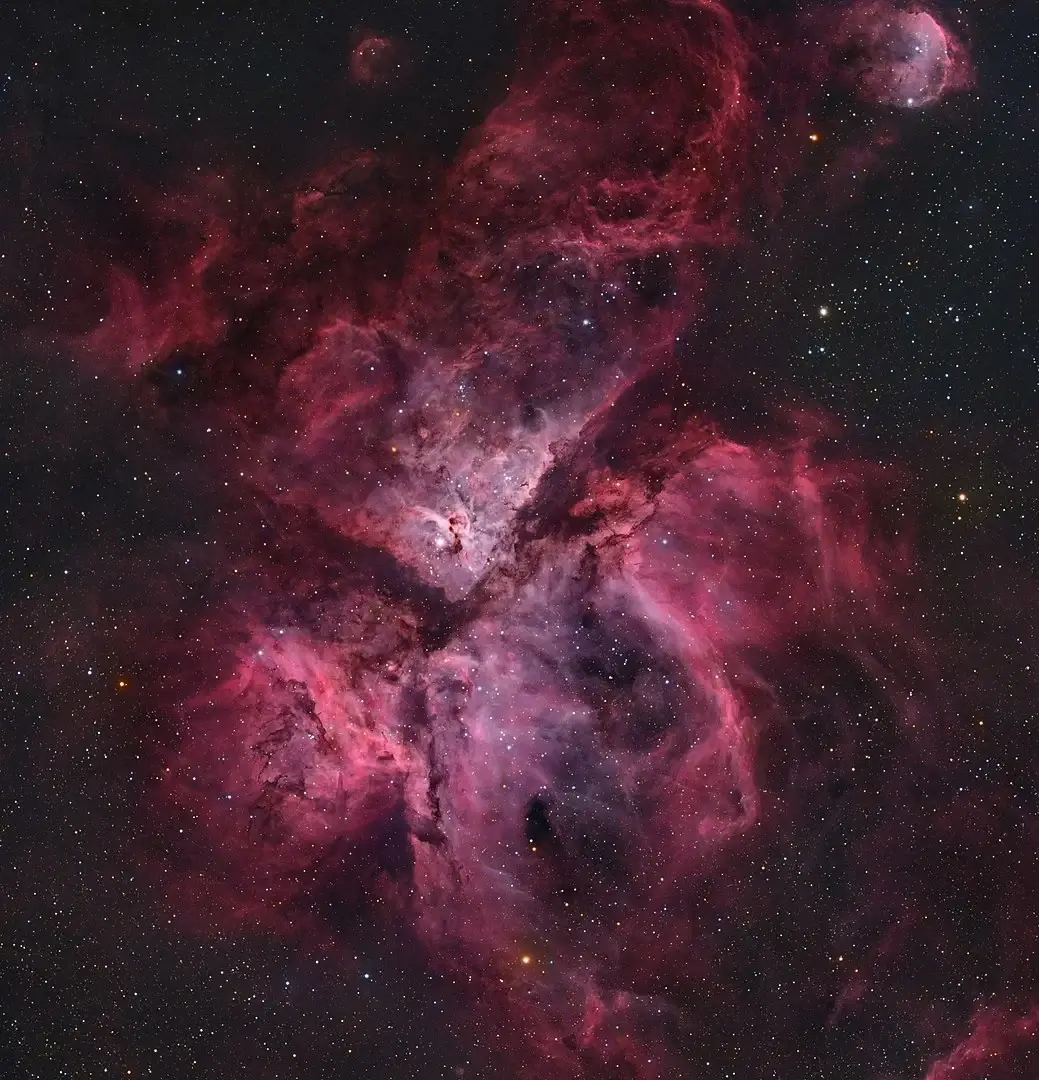
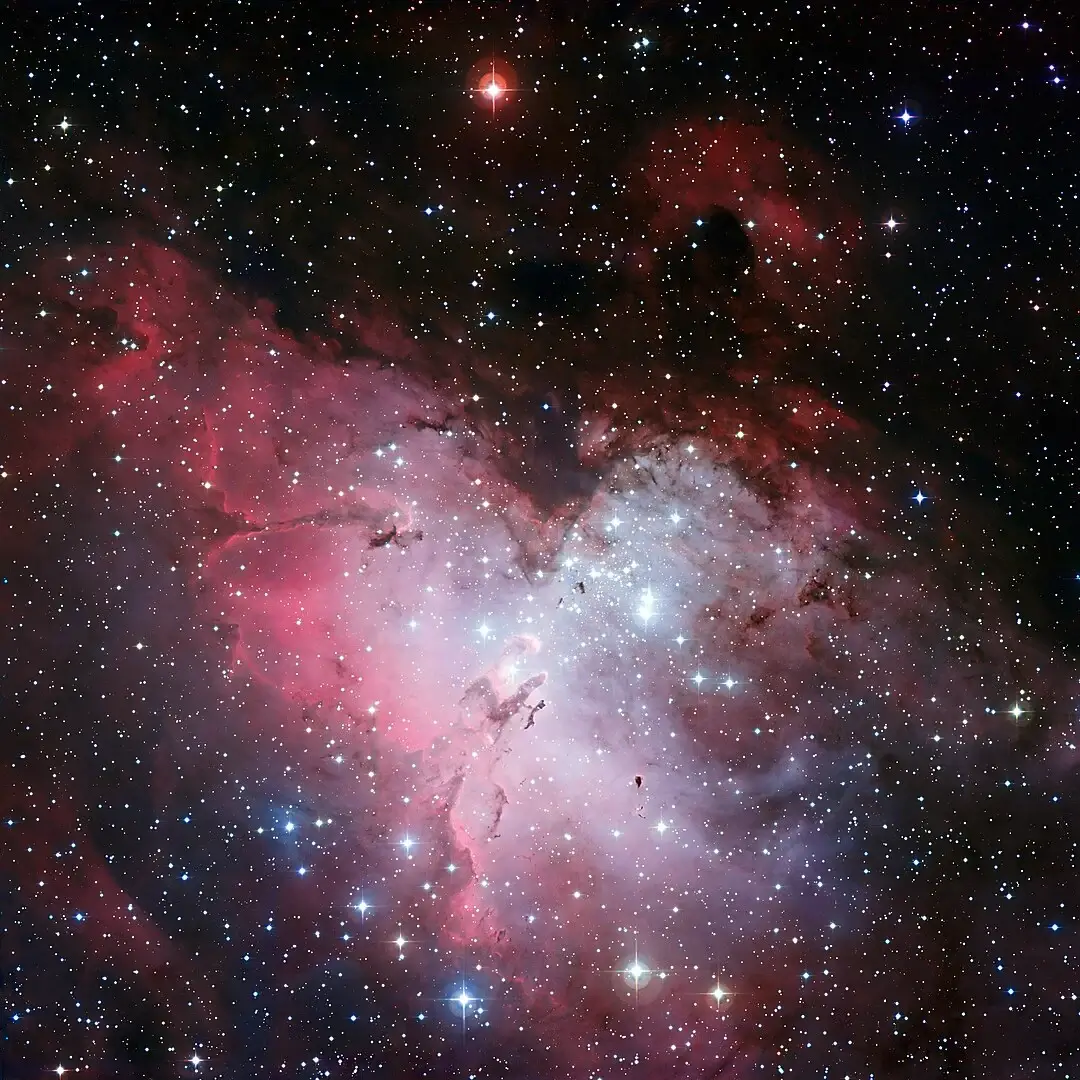
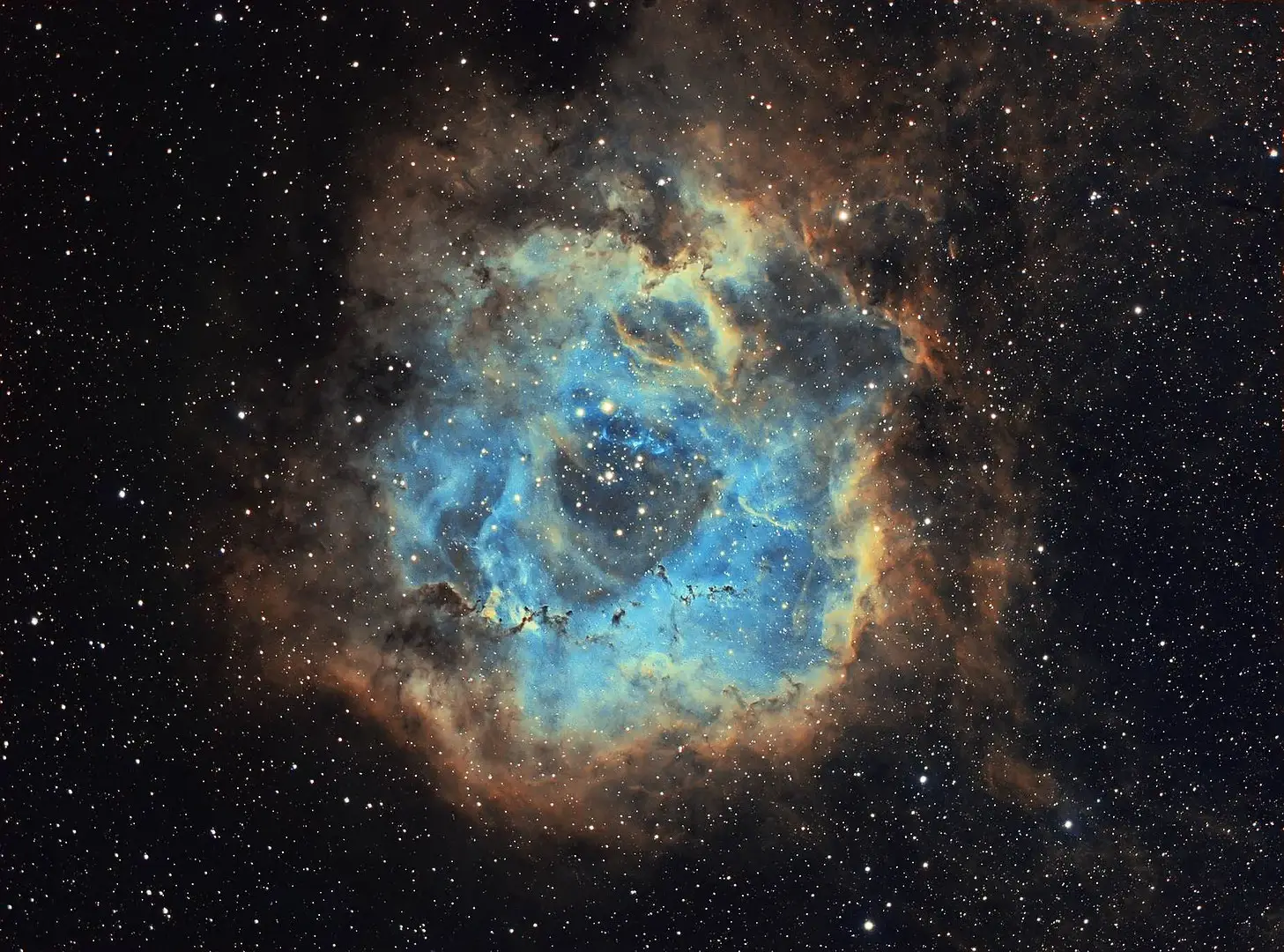
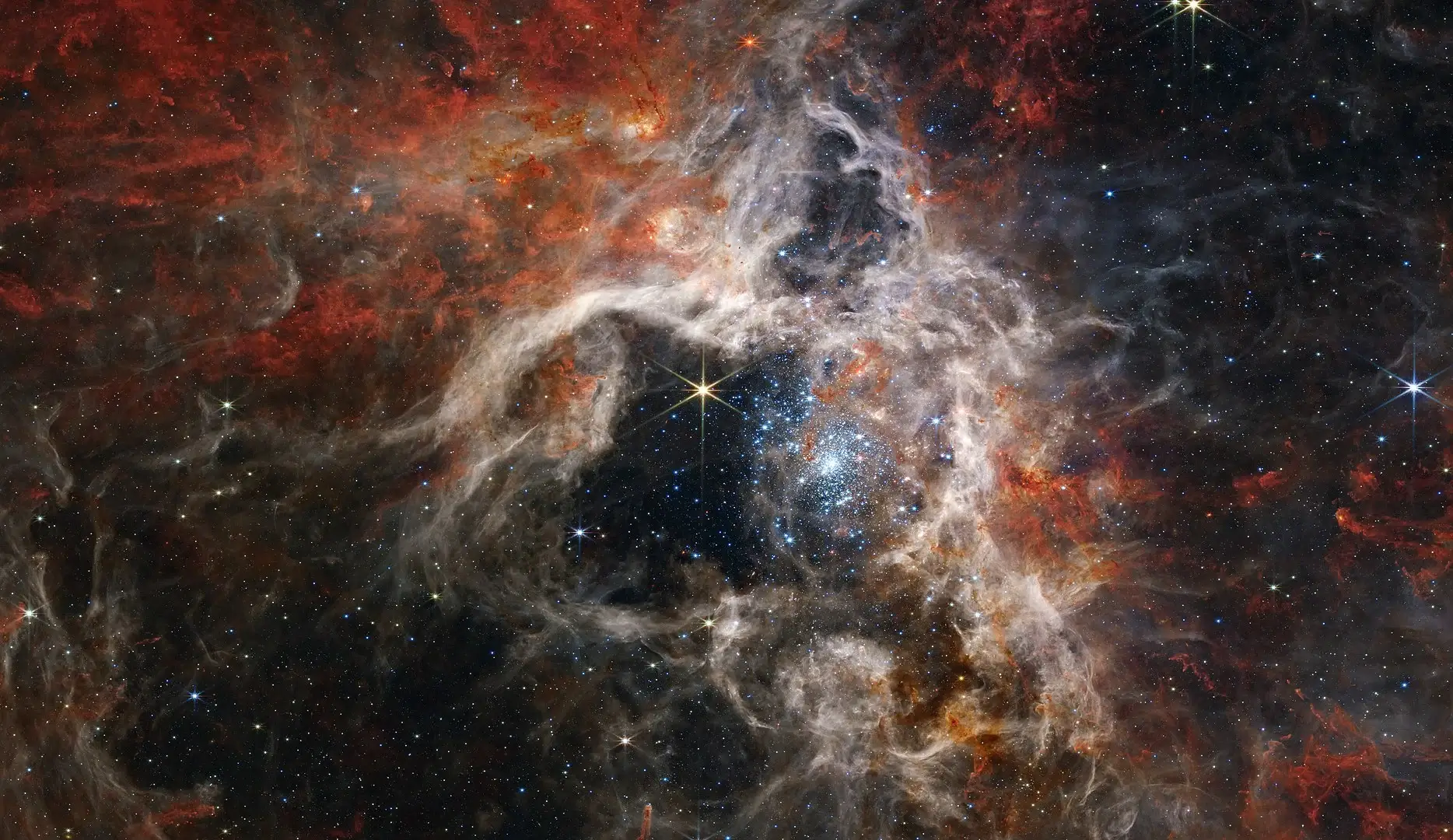
In order:
Orion Nebula (Hunter Nebula)
Carina Nebula
Eagle Nebula
Rosette Nebula
Tarantula Nebula
What are Reflection Nebulae?
Reflection nebulae are formed when light from a star is scattered or reflected by a neighboring dust cloud. The scattered light is slightly polarized and has a spectrum similar to that of the illuminating star, only bluer. They are extremely bright nebulae.
This color shift is due to the fact that the typical size of dust particles in the cloud is comparable to the wavelength of blue light. As a result, blue light is scattered more effectively than longer, red wavelengths, giving these nebulae their characteristic blue color.
Reflection nebulae are generally less dense than dark nebulae and have sizes determined by the illumination source. Their size is determined not by the size of the dust cloud, but by the points where their brightness is detected.
Examples of Reflection Nebula Types
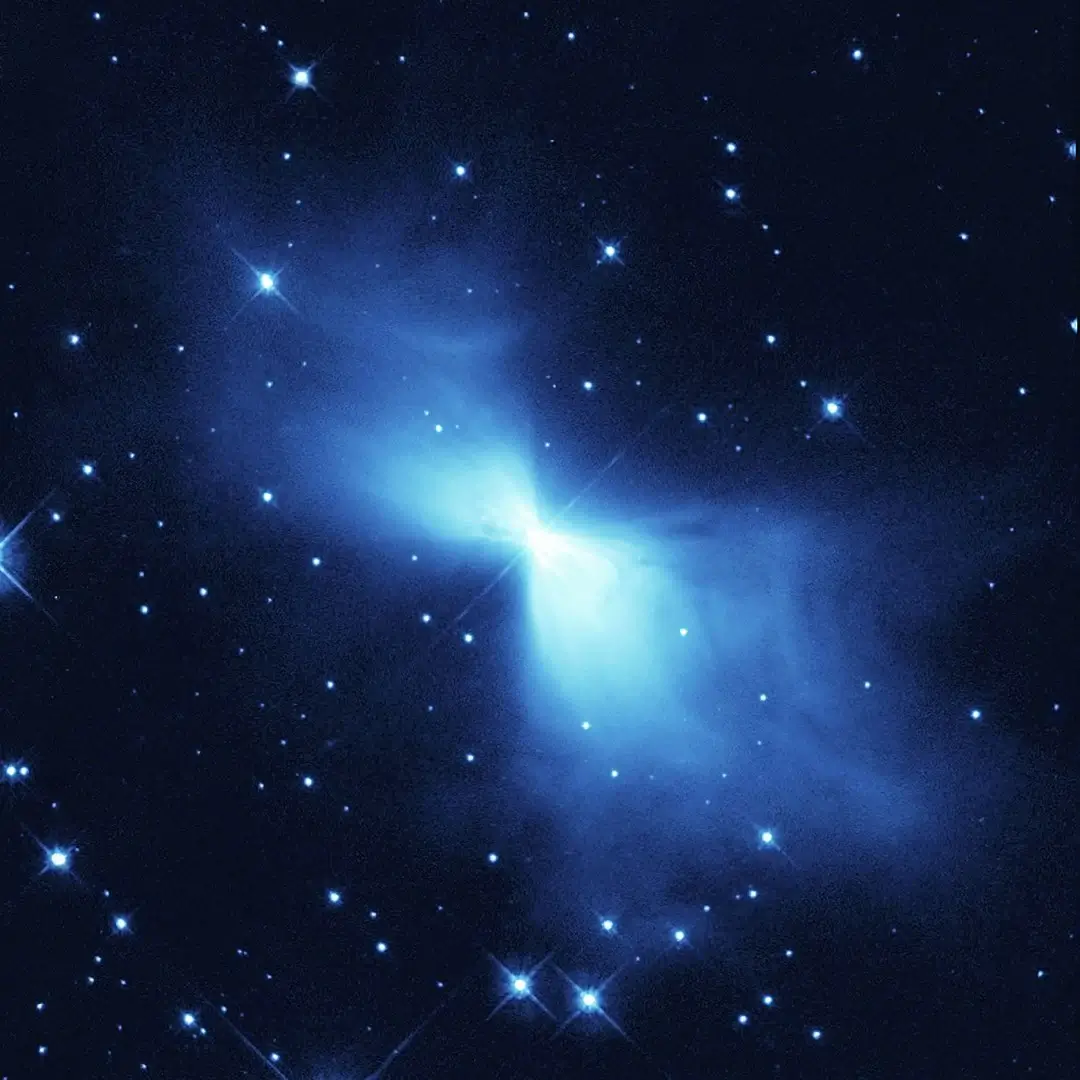
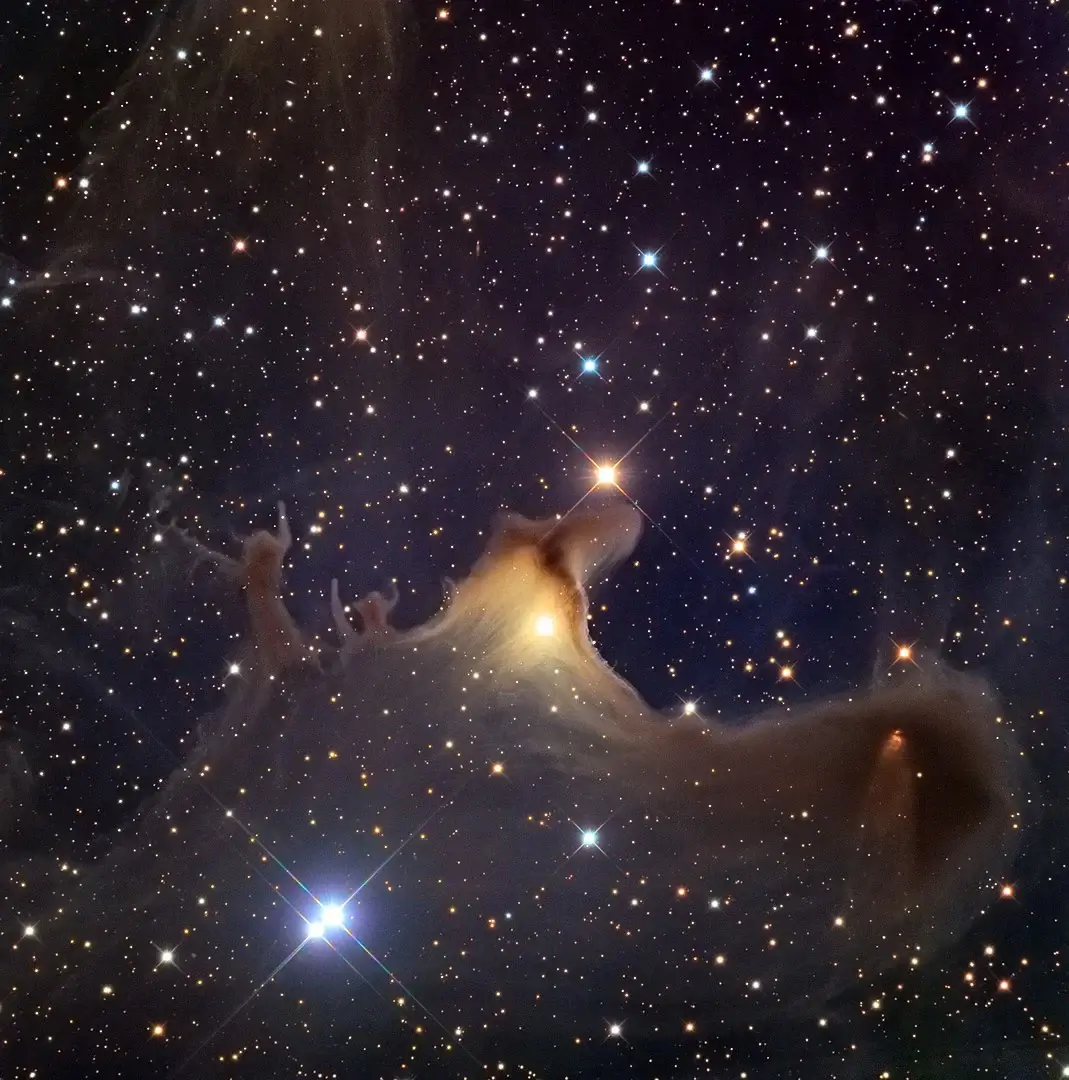
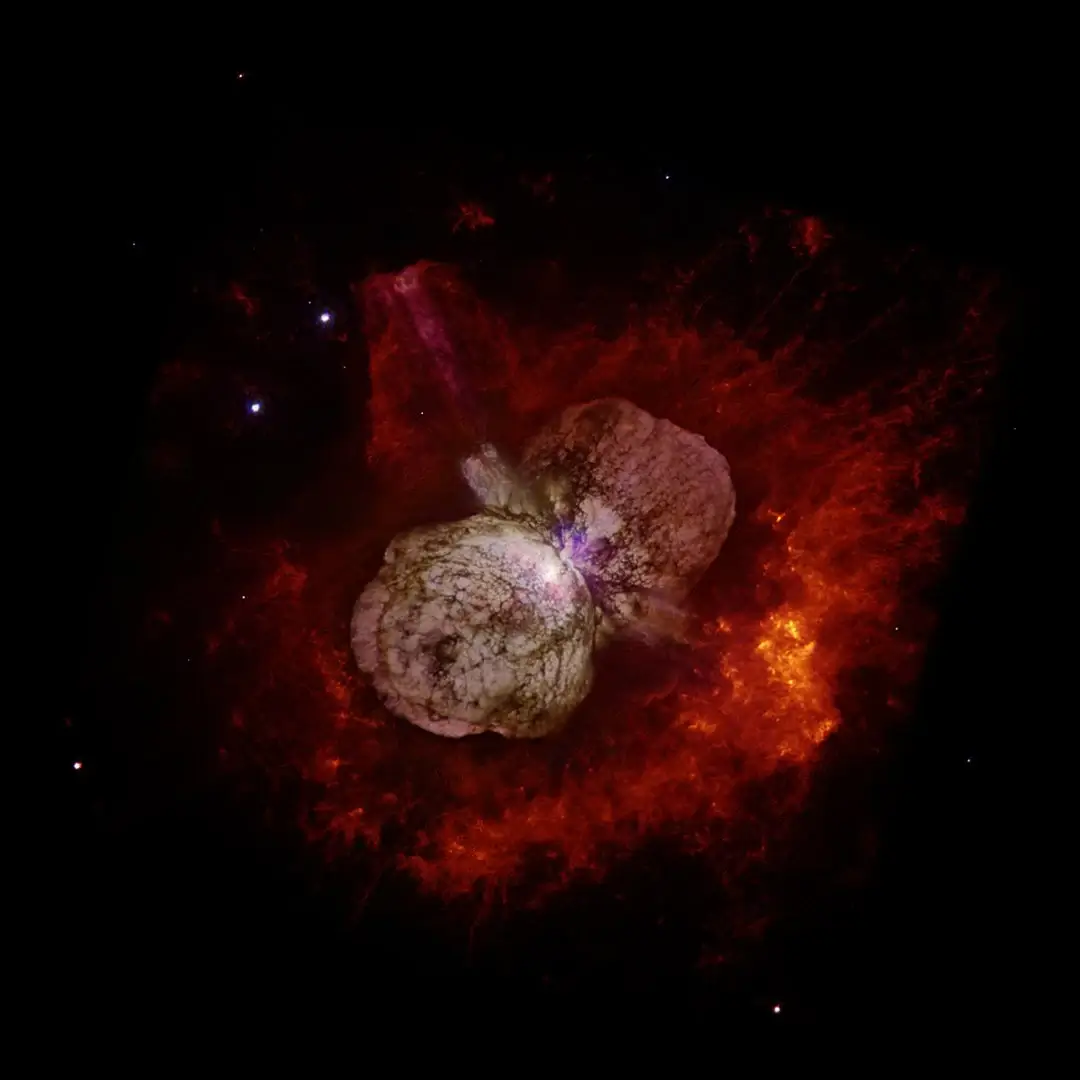
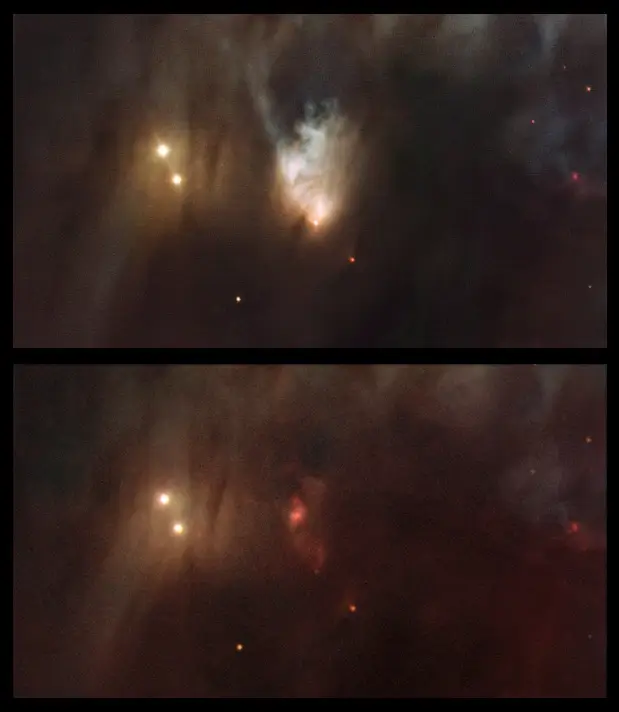
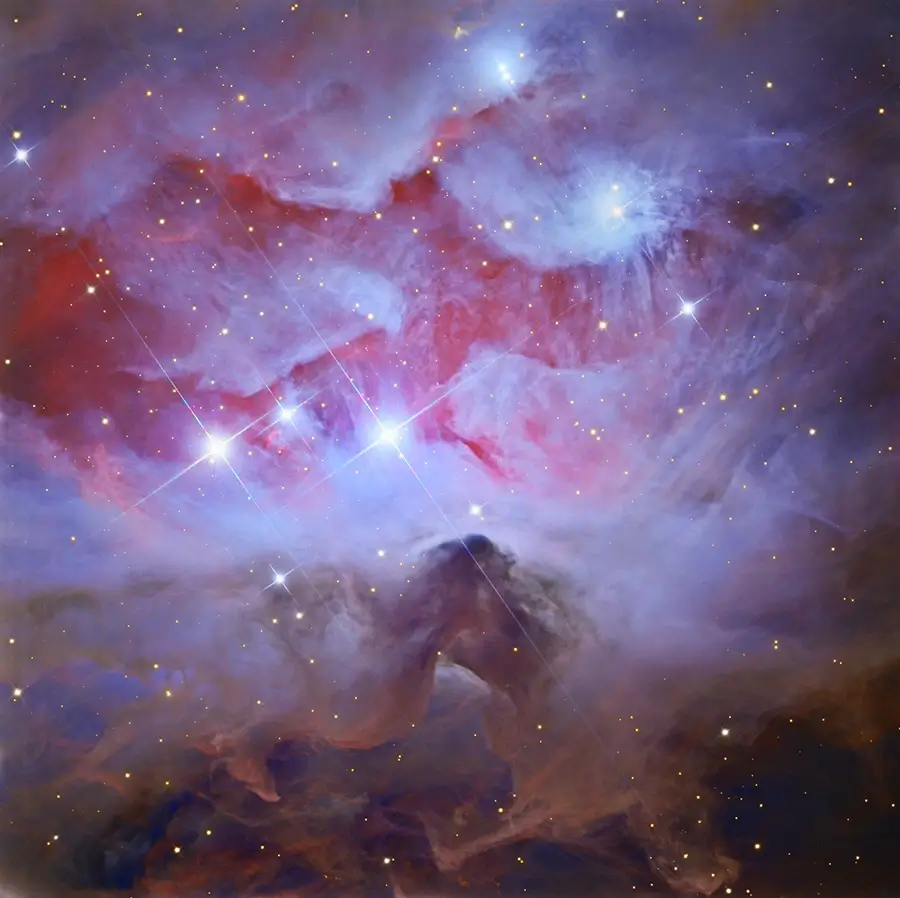
In order:
Boomerang Nebula (Boomerang nebula)
Ghost Nebula
Homunculus Nebula
McNeil Nebula
Sh-279
What are Dark Nebulae?
A dark nebula is an interstellar structure containing a very high amount of dust. This allows them to scatter and absorb all incoming optical light, making them completely opaque at visible wavelengths. They are most prominent when located in front of a bright emission nebula or in a region rich in stars. The Horsehead and Coalbag Nebulae are good examples of beautiful dark nebulae.
The average temperature inside a dark nebula ranges from approximately 10 to 100 Kelvin. Large dark nebulae, which can contain more than one million solar masses of material and extend over 200 parsecs, are known as giant molecular clouds. The smallest, called Bart droplets, tend to be less than 3 light-years wide and contain less than 2,000 solar masses of material.
Examples of Dark Nebula Types
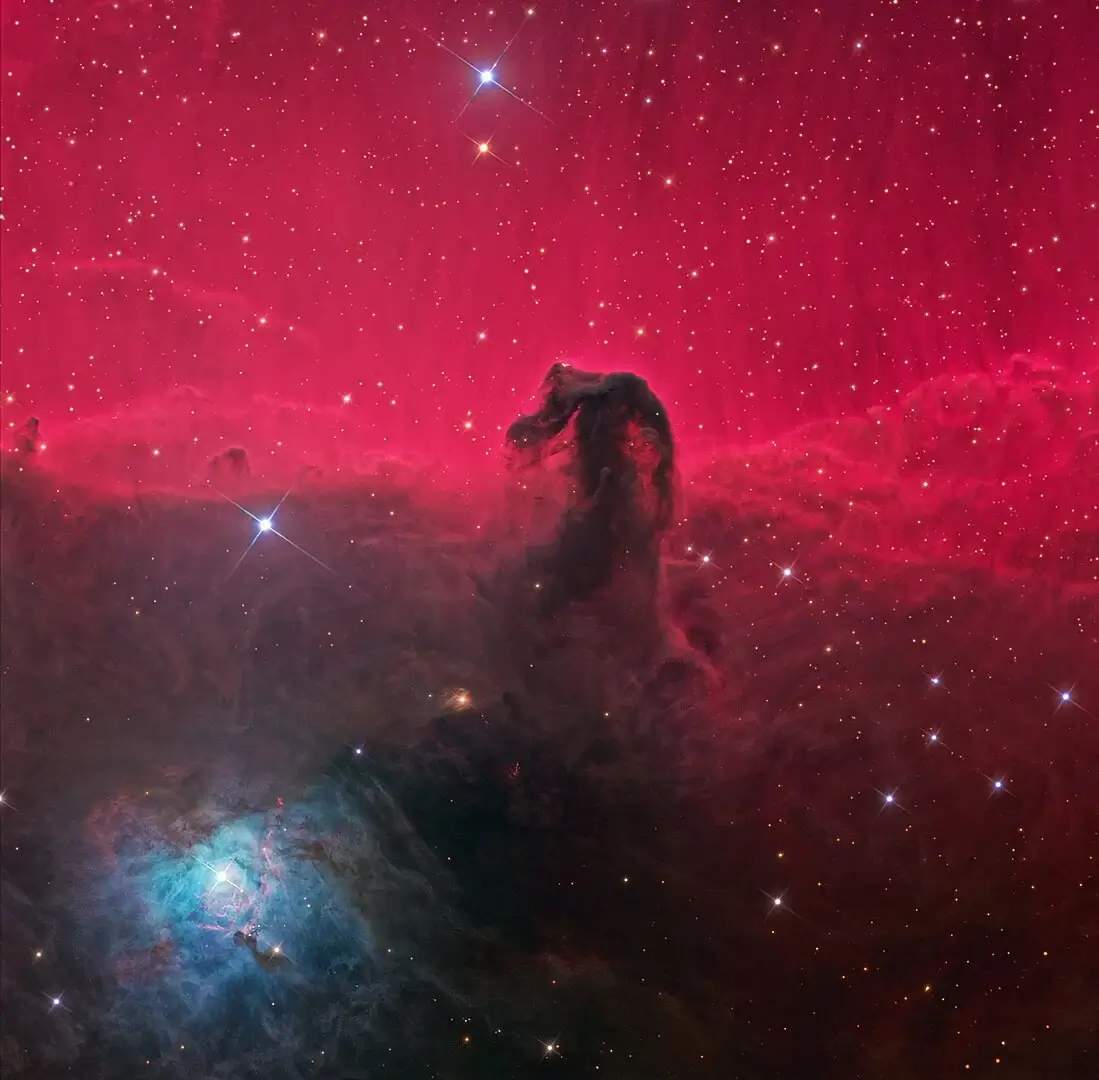
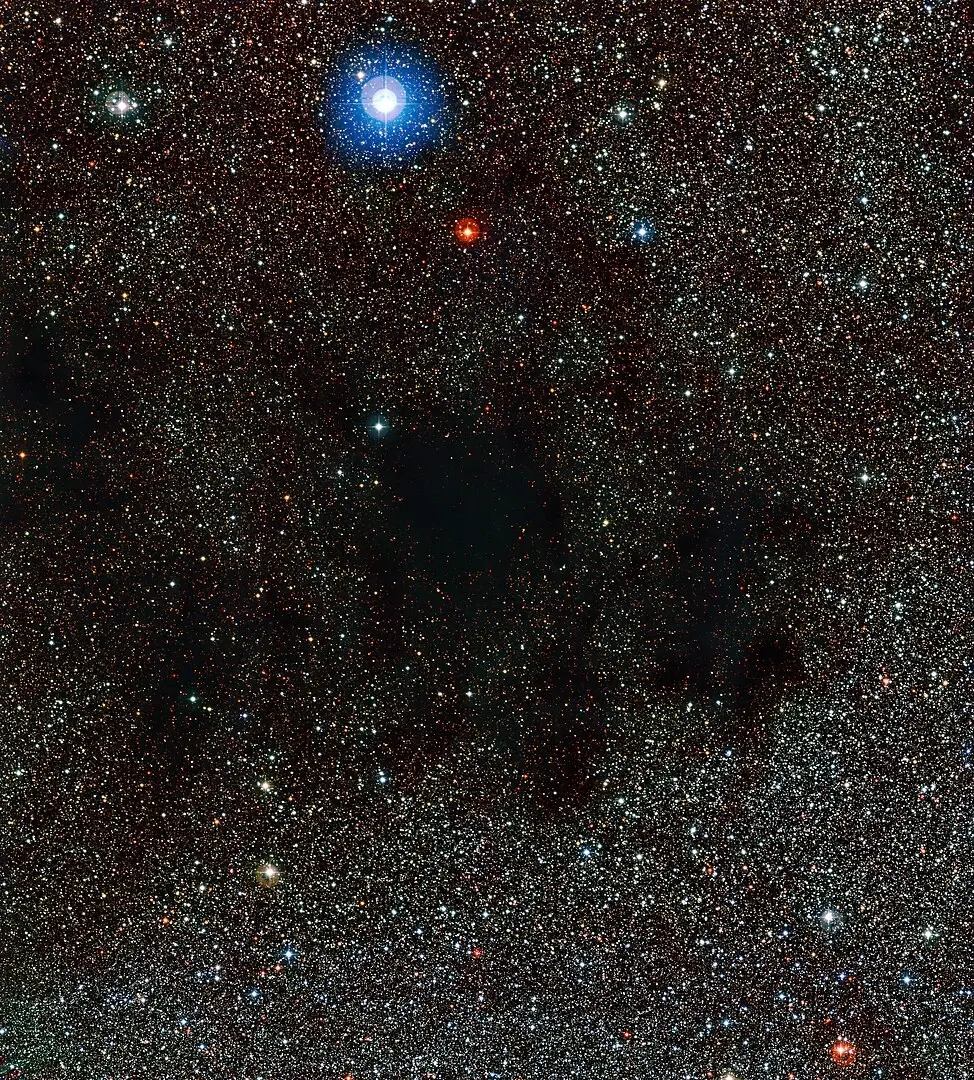
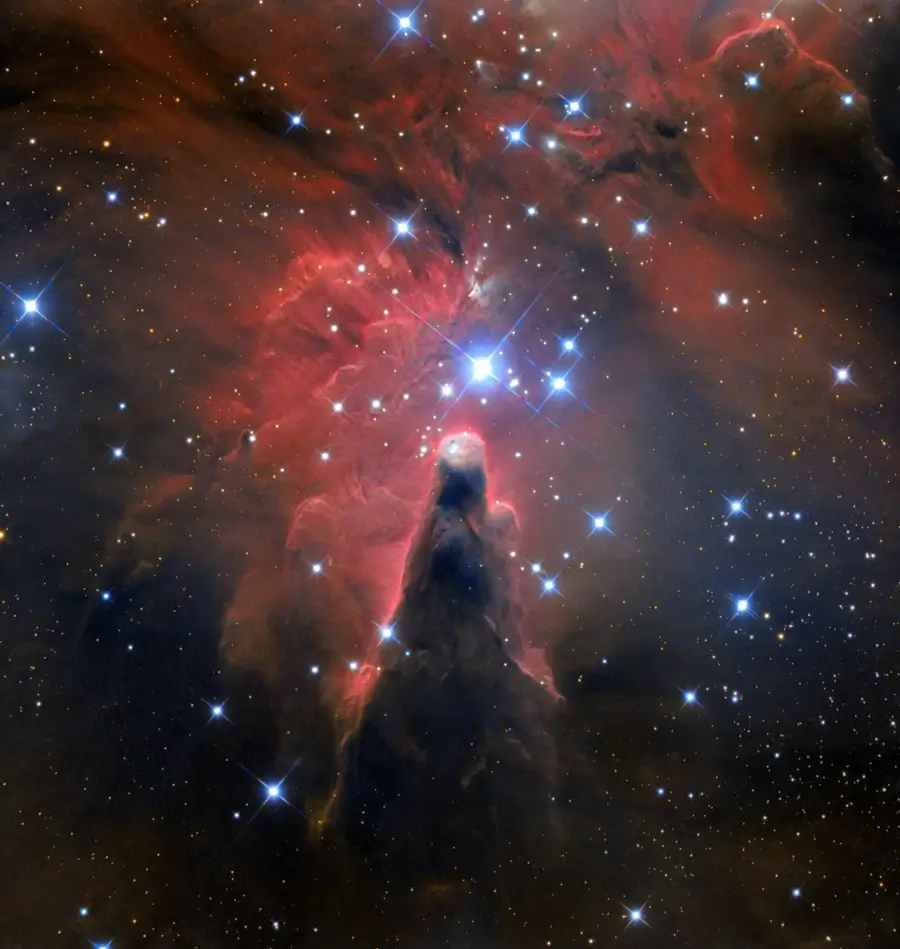
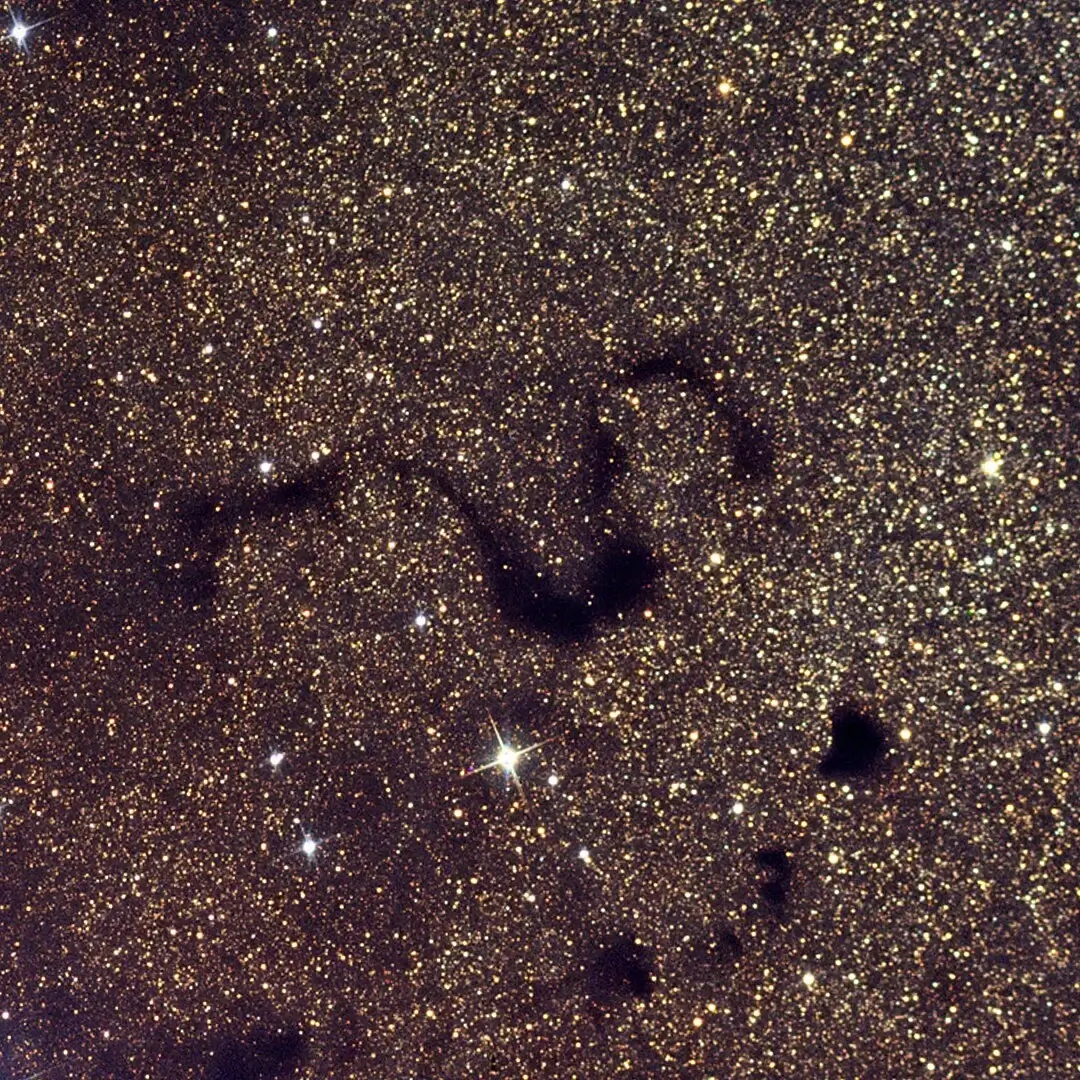
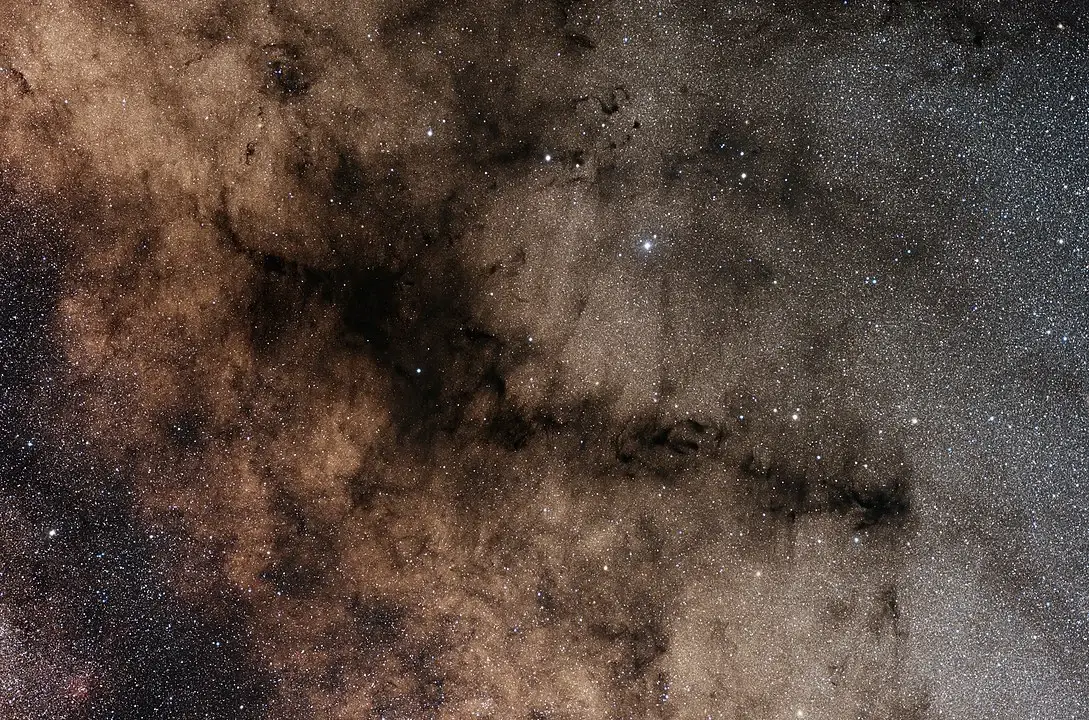
In order:
Horsehead Nebula
Coal Sack Nebula
Cone Nebula
Serpent Nebula
Pipe Nebula
What are supernova remnants?
Supernova remnants are gas clouds expanding at speeds of hundreds or even thousands of kilometers per second, resulting from recent explosions of massive stars. If a supernova remnant is younger than a few thousand years, it can be assumed that most of the gas in the nebula was ejected by the exploding star. Otherwise, the nebula would consist primarily of interstellar gas swept up by the expanding remnants of older objects.
Examples of Supernova Remnants
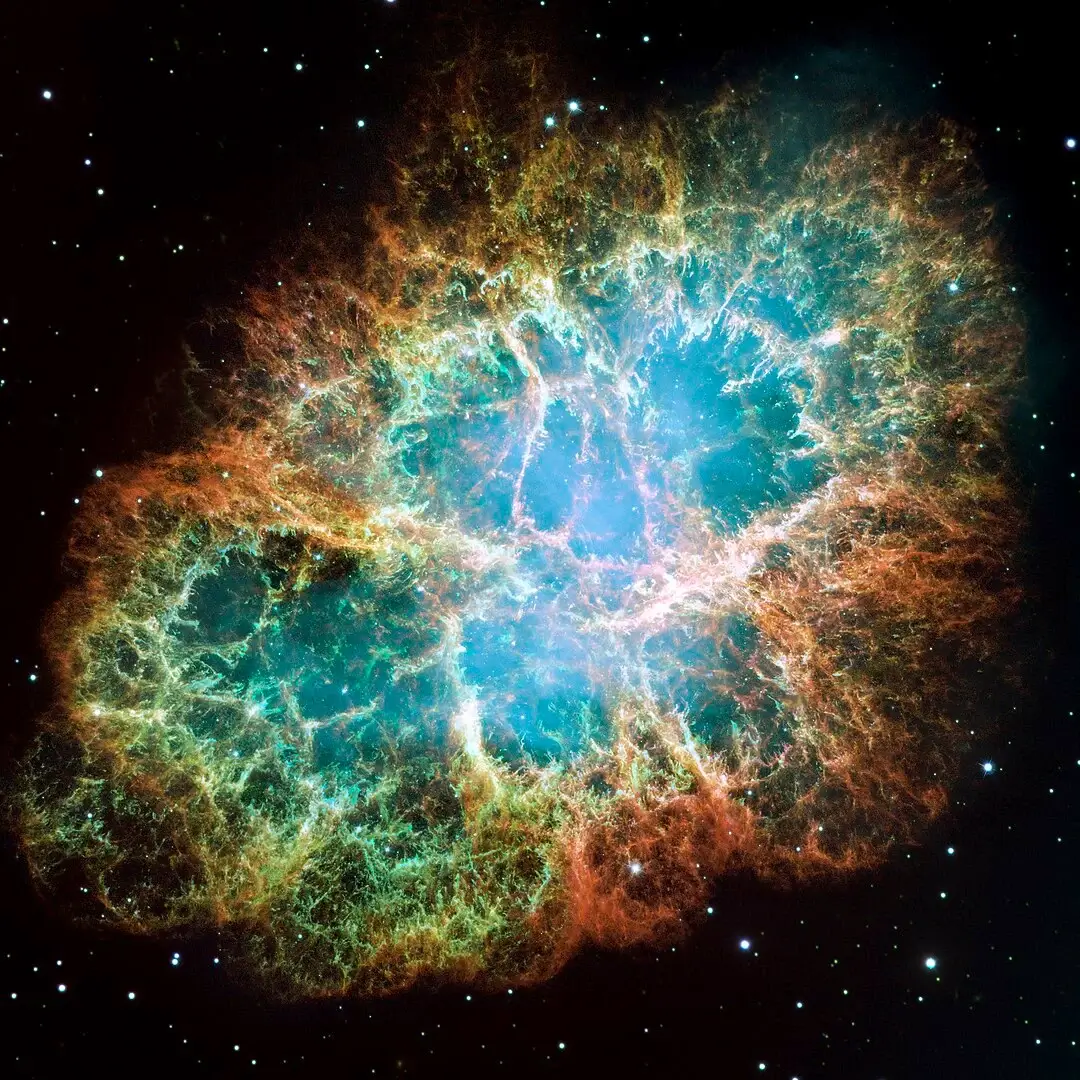
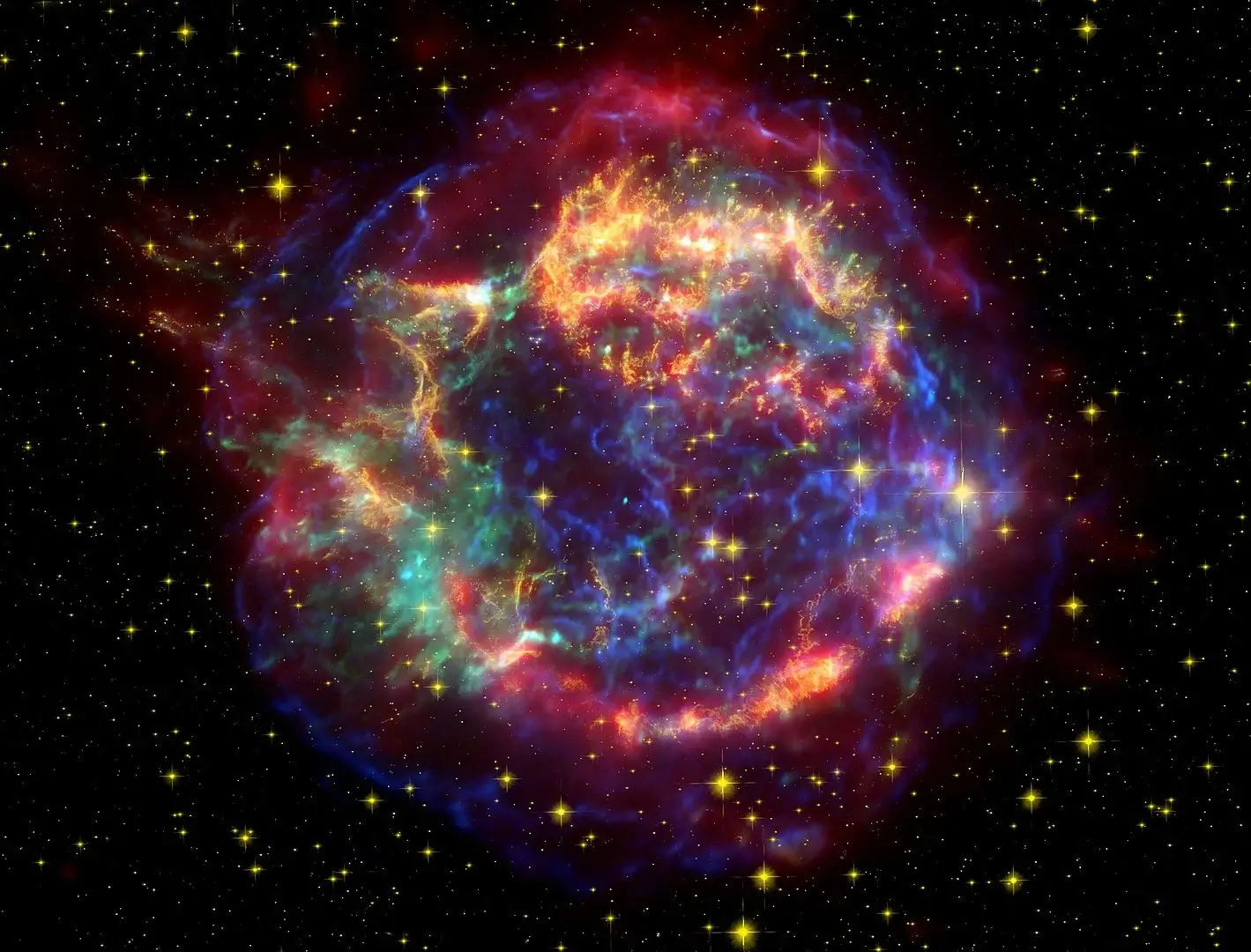
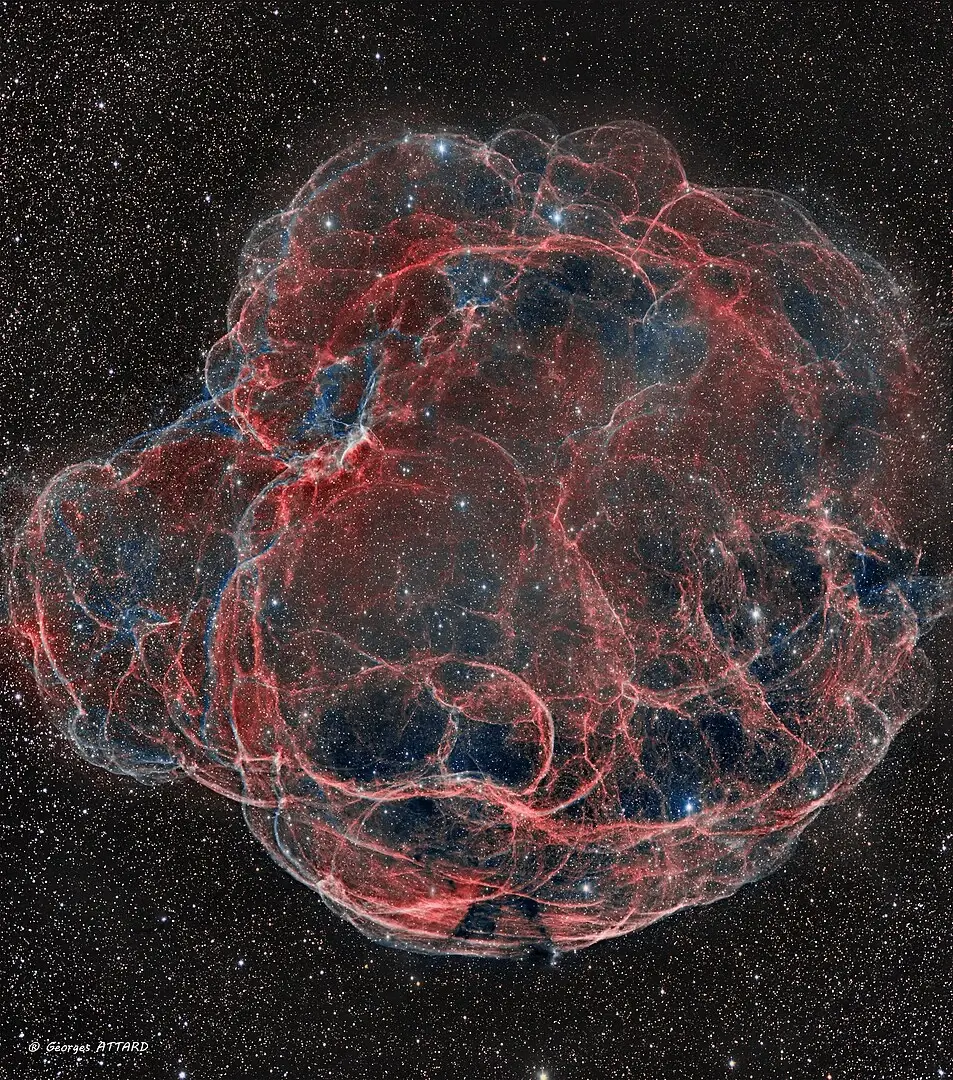
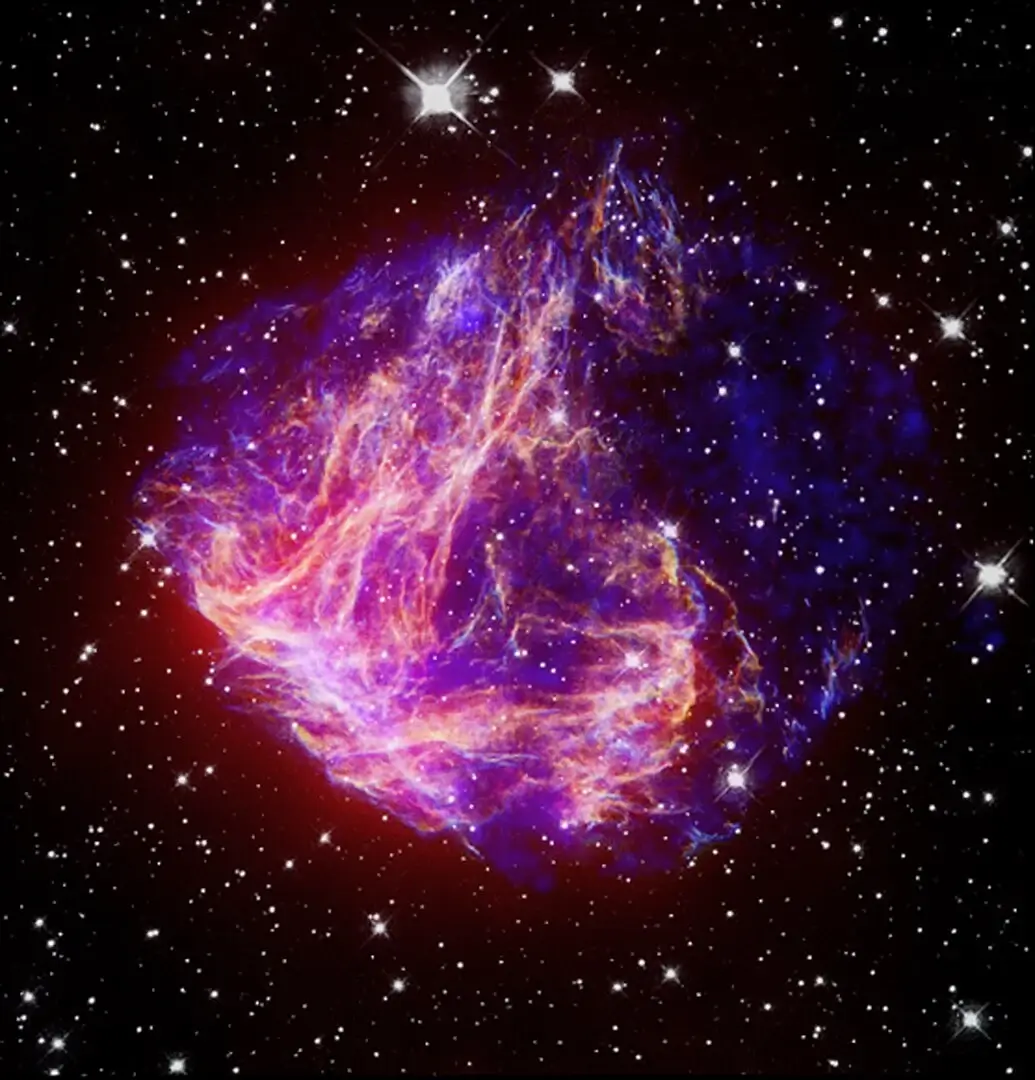
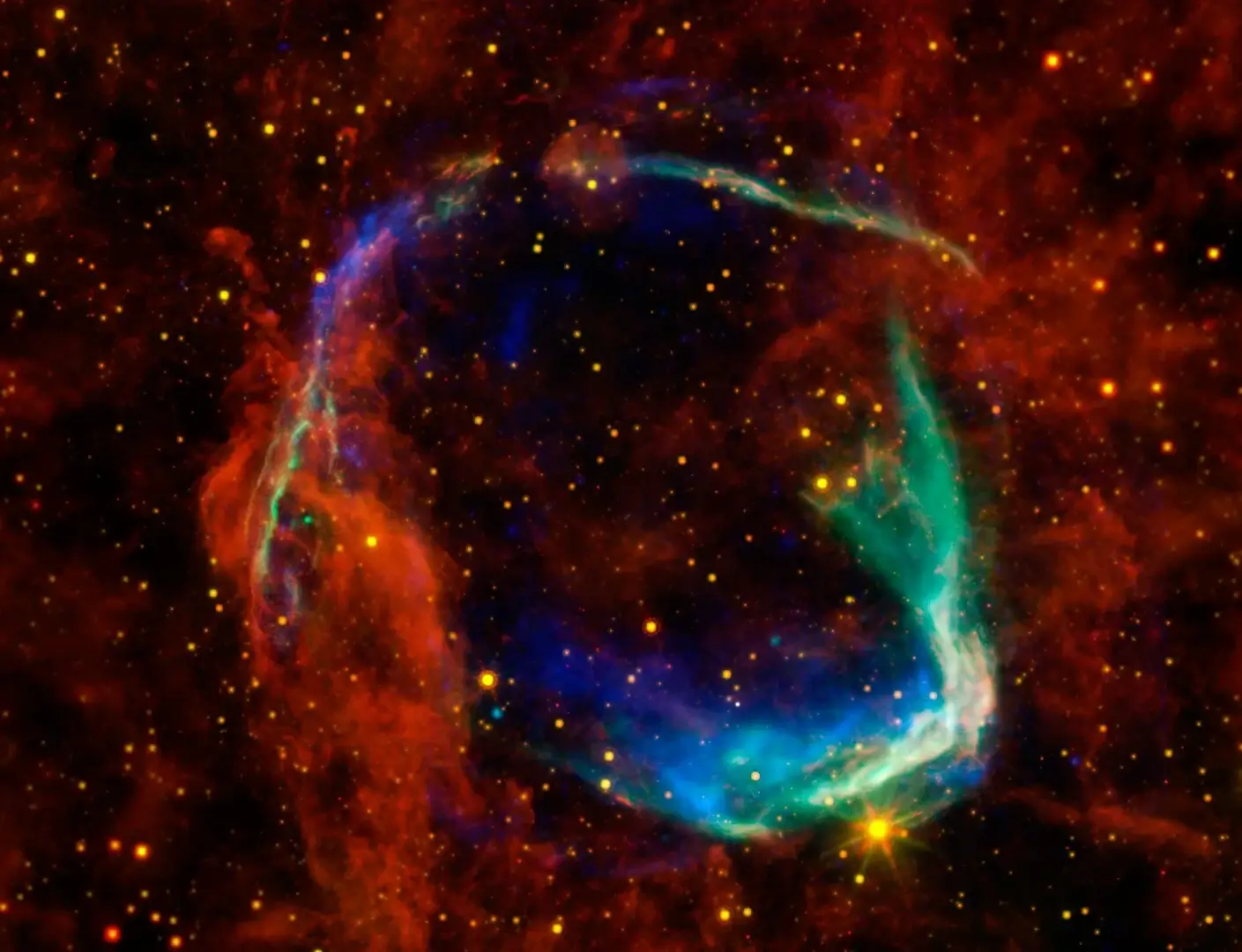
In order:
Crab Nebula
Cassiopeia A
Spaghetti Nebula
LMC N49
Supernova SN 185
Do Nebulae Move in Space?
Yes, nebulae move both in space and on their own. However, because nebulae are enormous, observing their movement requires a long period of time. Even seeing the fastest-moving parts of nebulae can take years.
If nebulae are moving, how do they maintain their shapes?
If the nebula's gravitational field is sparse and diffuse, there are no forces that would cause them to change shape unless they collide with another cloud of gas and dust.
If it's not so sparse, or if it merges with another cloud, allowing its gravity to exert its influence, then it will gradually collapse and form new stars.
The Largest Nebula Observed in Space

The largest known nebula is a circular cloud surrounding the galaxy NGC 262, with a mass of 50 billion solar masses and a length of 1 million light-years. NGC 262 is located in the constellation Andromeda and is 287 million light-years from Earth. The nebula is thought to be the remnants of other smaller galaxies that merged with the larger galaxy , with some of their material falling around the larger galaxy as a vast stellar halo.
The Brightest Known Nebula

The Carina Nebula is the brightest nebula visible from Earth. Located 8,000 light-years away and spanning over 300 light-years, it is a massive star-forming region.
The Most Distant Known Nebula

The most distant nebula from Earth is the dark nebula MACS0416_Y1, located 13.2 billion light-years away. This nebula was discovered in 2018 while exploring a galaxy 13.28 billion light-years from Earth. The Atacama Large Millimeter/submillimeter Array (ALMA) radio telescope was used for the discovery.
The Closest Nebula to Earth

The closest nebula to Earth is the Helix nebula, located 700 light-years away. This planetary nebula is also nicknamed "God's Eye." It is located in the constellation Aquarius and is 5.74 light-years long.
Now that we've reached the end of this blog post, I've tried my best to explain what a nebula is, how nebulae form, what nebula meaning is, what types of nebulae exist, and of course, what a nebula means. Until next time, don't get lost in space until I return!


