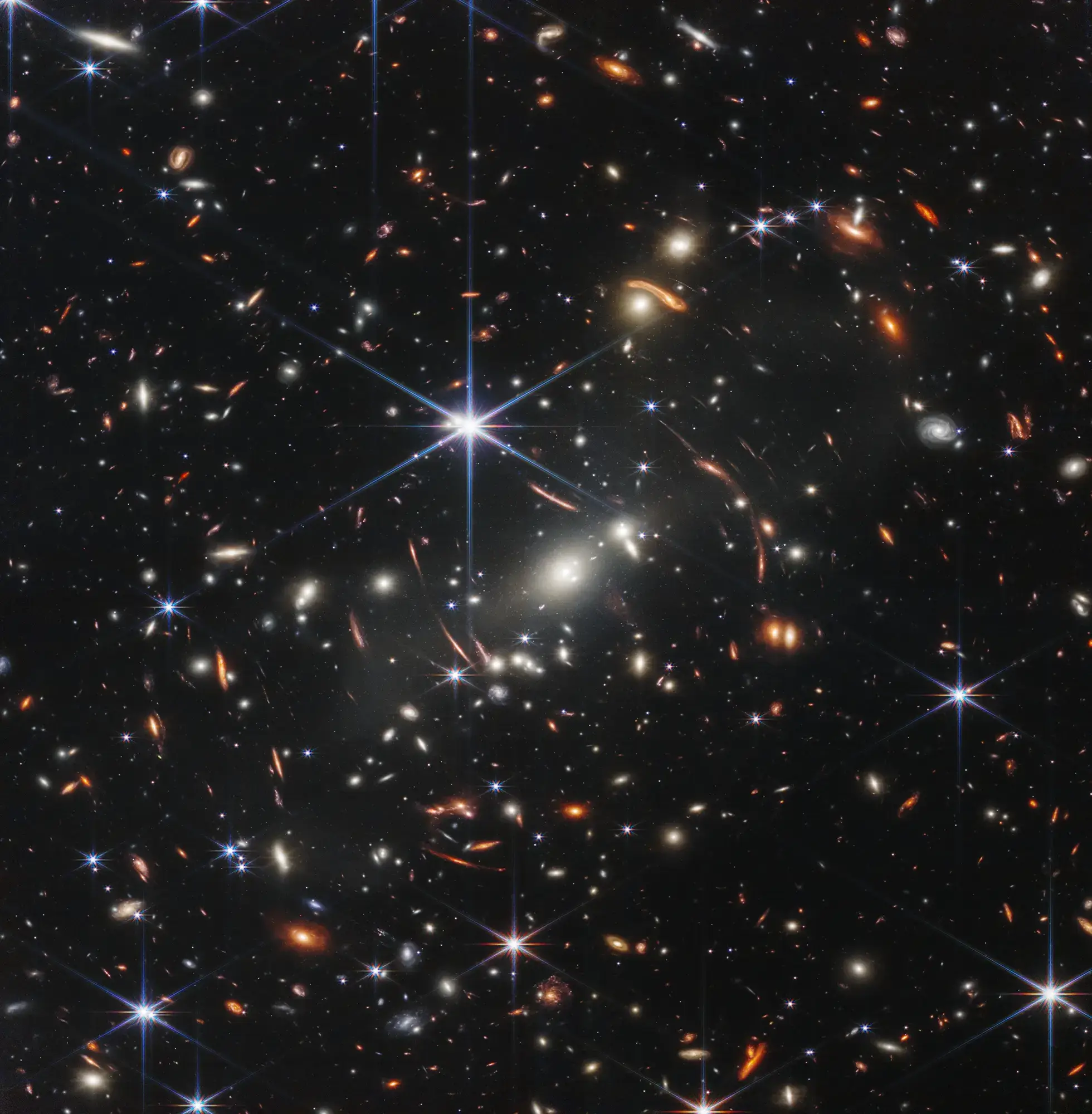
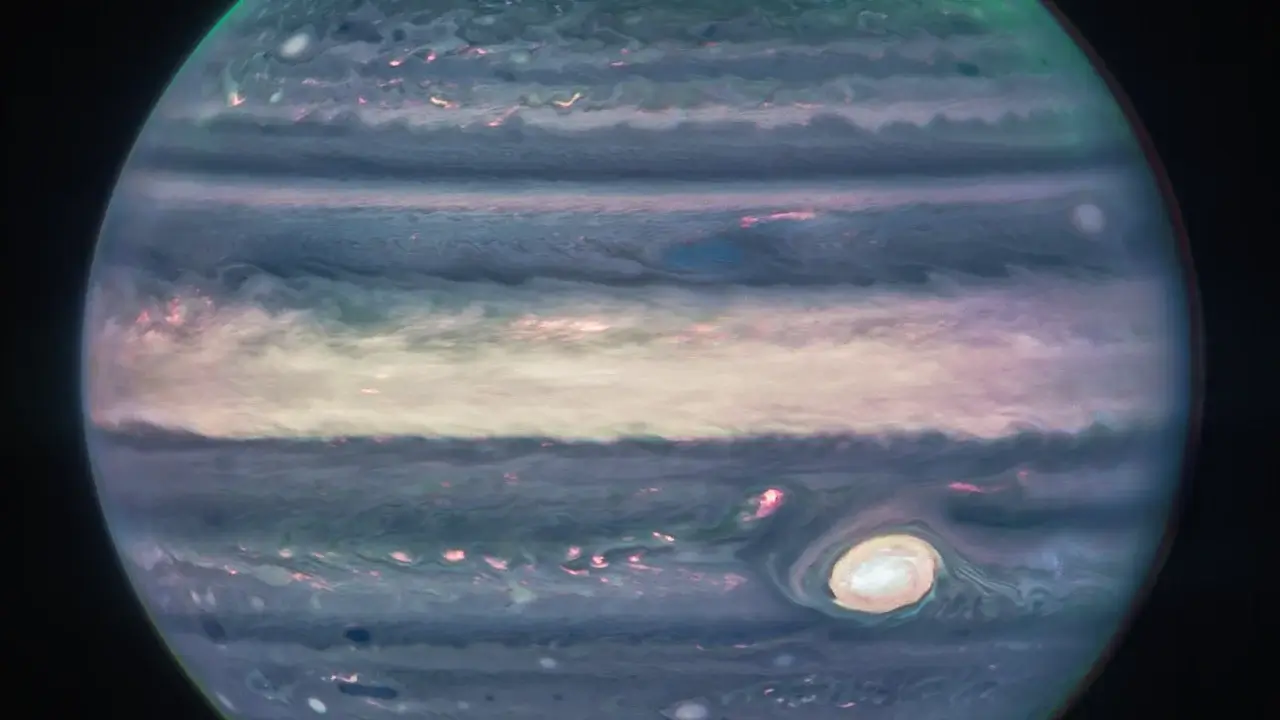
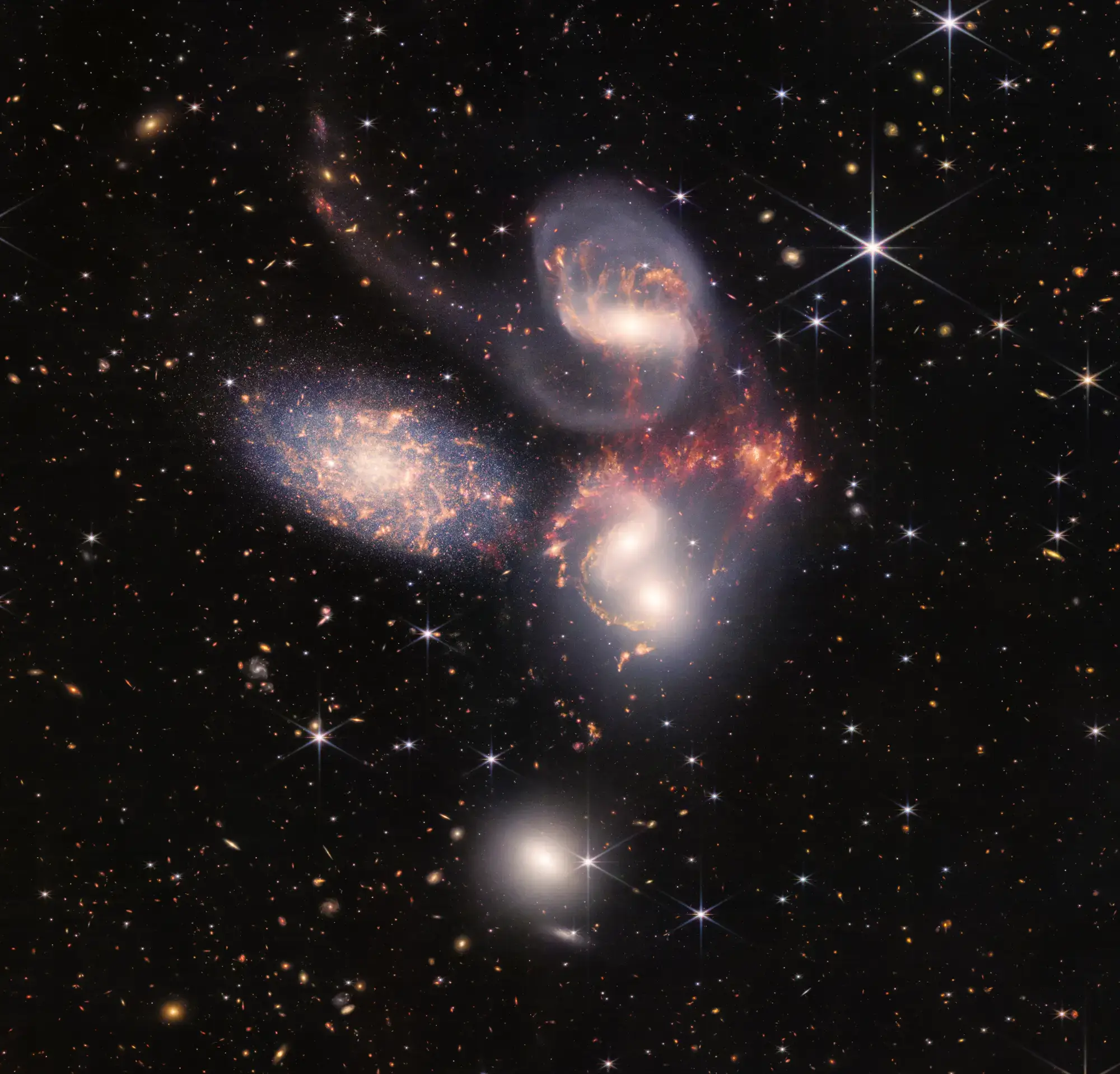
Everything to Know About the James Webb Telescope in Brief!
- Mar 23
- 6 min read
I wanted to start with the space telescope that is currently the most notable and highest-quality one: the James Webb Space Telescope. Throughout history, various techniques have been developed to observe beyond Earth, into the depths of space. However, with the invention of the telescope and the ability to see distant objects more clearly, a major breakthrough occurred in space exploration. As technology advanced, larger telescopes were built, and eventually we began launching artificial satellites into orbit. The James Webb Telescope is one of them. So what makes this telescope special and why is it so important? Let's dive right into the topic and learn about the James Webb Space Telescope!
Contents
Everything About James Webb Space Telescope
What is the James Webb Telescope?
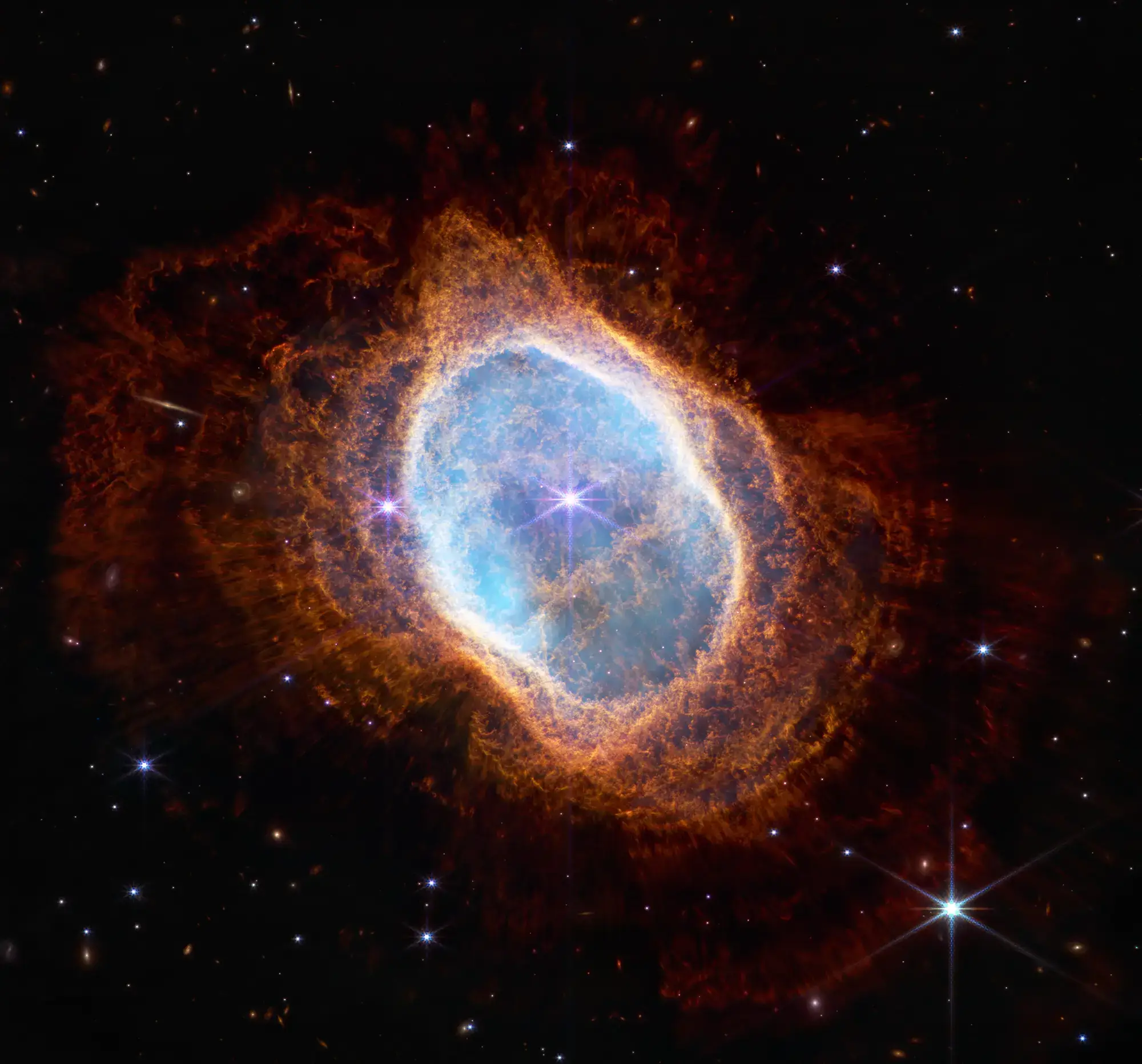
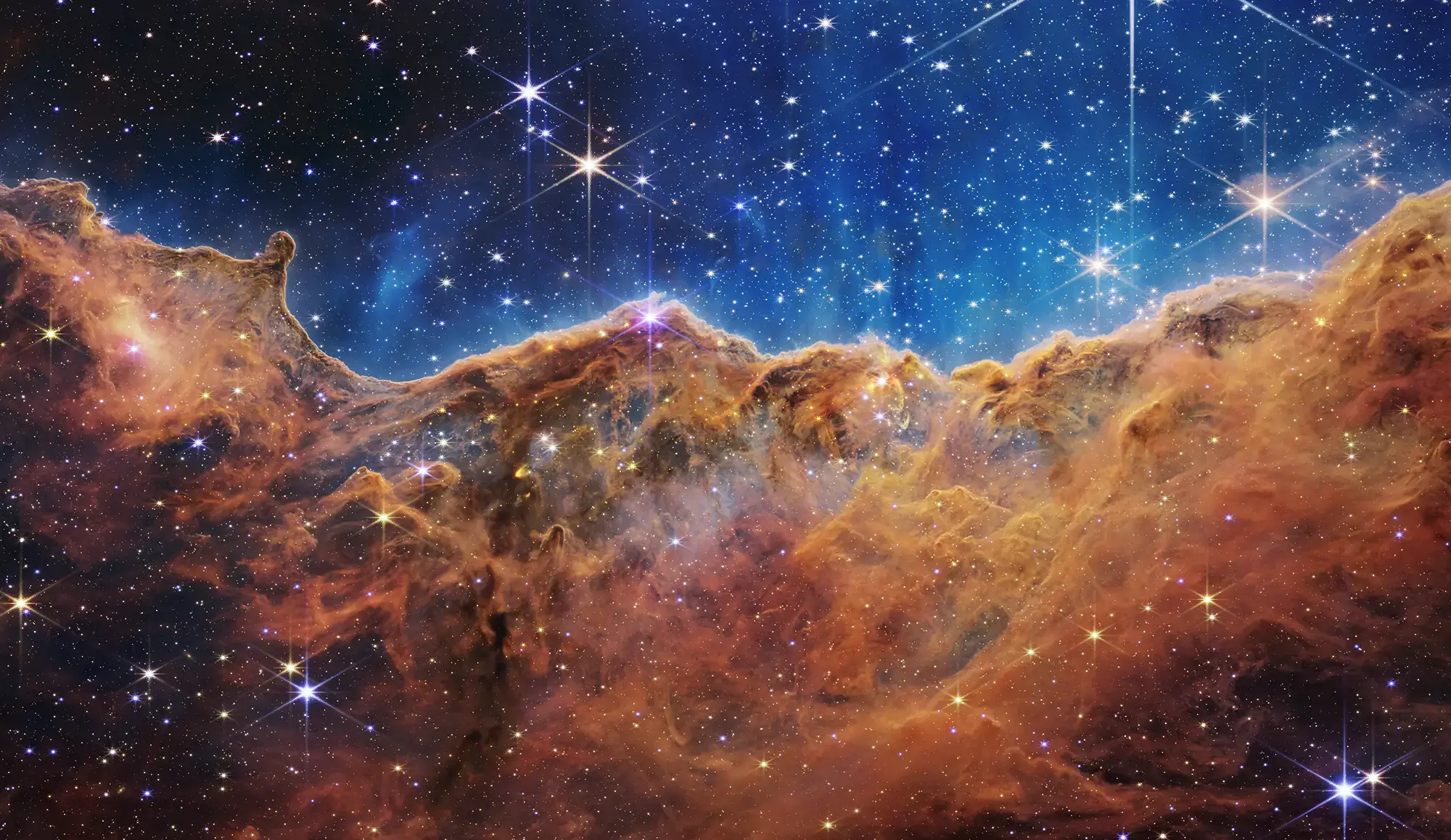
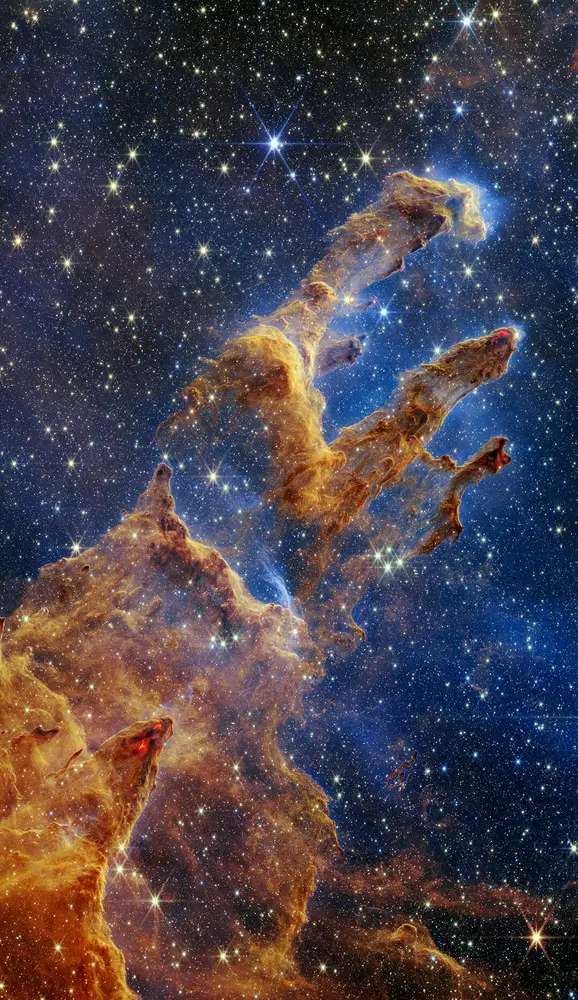
The James Webb Space Telescope (JWST) is an infrared space telescope designed to study the depths of the universe. The James Webb Space Telescope, which began in 1996 as a collaboration between the American National Aeronautics and Space Administration (NASA), the European Space Agency (ESA), and the Canadian Space Agency (CSA), has had a long and remarkable journey, with construction completed in 2016. It has 18 different parts and massive mirrors. It is also known as the "Next-Generation Space Telescope".
Where Does the Name of the James Webb Telescope Come From?

The James Webb Space Telescope is named after James E. Webb, the second director of NASA. James Edwin Webb served as NASA administrator from 1961 to 1968 and played a critical role in the implementation of many important space programs, including the Apollo program. With this telescope, NASA aims to honor James Webb's commitment and legacy to space exploration.
How Does the James Webb Space Telescope Work?
Using innovative methods in space research, the James Webb Space Telescope employs advanced technology to study every stage of cosmic history—infrared light technology that the human eye cannot detect. However, James Webb's capabilities do not end there:
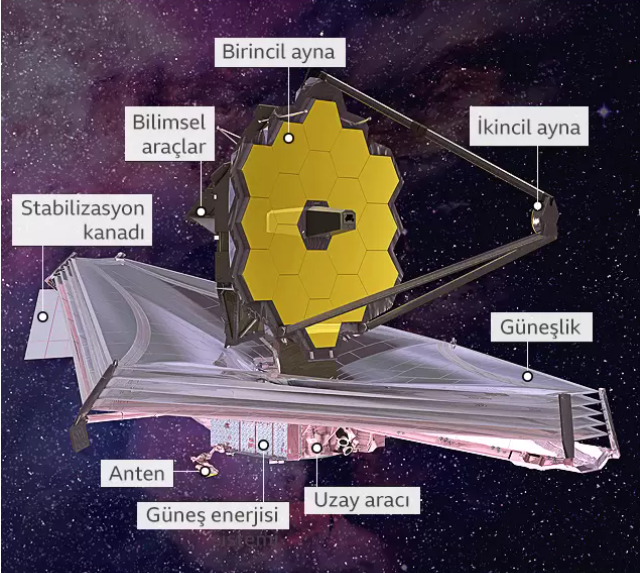
Optical System: The core component of JWST is its 6.5-meter-diameter primary mirror, consisting of hexagonal gold-coated segments that collect and focus incoming light.
Infrared Observation: Infrared light has longer wavelengths than visible light, allowing it to penetrate dust and gas clouds and reveal information about earlier stages of the universe.
Scientific Instruments:
NIRCam (Near-Infrared Camera): Provides high-resolution images in infrared light.
NIRSpec (Near-Infrared Spectrograph): Enables the separation of light into its components through spectroscopy, allowing the examination of chemical composition, temperatures, and other physical properties.
MIRI (Mid-Infrared Instrument): Operates at mid-infrared wavelengths, used to study cooler objects and dusty regions.
FGS/NIRISS (Imaging Sensor and Near-Infrared Imaging and Spectroscopy Instrument): Used for precise pointing and infrared observations.
Sun Shield: The five-layered, massive sun shield protects the telescope from the heat of the Sun, Earth, and Moon, allowing it to operate in extreme cold.
Data Collection and Transmission: JWST uses a communication system to transmit the data it collects to the ground control center.
What is the Purpose of Launching the James Webb Space Telescope?
Thanks to advanced technologies and engineering solutions with the James Webb Space Telescope, it is aimed to investigate the first galaxies or bright objects formed after the Big Bang, determine how galaxies have evolved from their formation to the present, observe the formation of stars from the initial stages to the formation of planetary systems, and measure the physical and chemical properties of planetary systems, including our own Solar System, and investigate the potential for life in these systems.
When was the James Webb Space Telescope Launched?
James Webb Space Telescope was launched by an Ariane 5 rocket from Europe's Space Base in French Guiana, South America, at 07:20 a.m. EST and at 15:20 GMT+3 Turkish time.
How Far Can the James Webb Space Telescope See?
The James Webb Space Telescope can see what the universe looked like approximately a quarter billion years after the Big Bang, when the first stars and galaxies began to form (up to about 100 million years ago). This means that James Webb can see as far back as approximately 13.7 billion years ago.
What is the Mission Duration of the James Webb Space Telescope?
The mission duration of the James Webb Space Telescope is projected to be 10 years. Although it operates primarily on solar energy, not every component utilizes this technology. Therefore, fuel is used for certain parts, and eventually this fuel will run out.
Where is the James Webb Space Telescope?
James Webb is at the Lagrange (L2) point, 1.5 million kilometers from Earth, where the gravitational pull of the Earth and the Sun cancel each other out.

Lagrange points refer to specific points in a system of two celestial bodies orbiting around a third body, where the gravitational forces of these two bodies and the centrifugal force are in balance. These points were identified by the French-Italian mathematician Joseph-Louis Lagrange in the 18th century. These points were discovered in the 19th century. Lagrange points are particularly important for space missions and the placement of artificial satellites because they allow spacecraft to maintain a stable position with minimal energy expenditure.
James Webb Space Telescope Orbit
So why is James Webb at the so-called L2 point? Because it provides a suitable position for the telescope to best achieve its scientific objectives. Here are the main reasons for placing the JWST at the L2 point:
Solar Radiation: The L2 point is located behind the Earth, beyond the Earth's distance from the Sun, where it blocks the Sun's radiation. This way, telescopes operating at infrared wavelengths, like JWST, can conduct more precise observations by minimizing heat and radiation from the Sun. JWST's sensitive infrared detectors can perform better in this low-temperature environment.
Earth's Radio Interference: As we move farther away from Earth, the impact of man-made electromagnetic interference, such as radio waves from Earth, decreases. This allows JWST's observations to be more clear. At the L2 point, such perturbations are minimal and increase the telescope's sensitivity.
Stable Position: The L2 point is one of the Lagrange points and ensures that the observatory remains in a fixed position due to gravitational equilibrium. In this position, JWST can perform long-term observations and make precise measurements using low thrust forces.
Field of View: From the L2 point, the telescope can view celestial objects such as the Sun, Earth, and Moon at a wide angle. This provides various angles and positions for astronomical observations, enabling versatile use of the telescope.
Sun-Orbit Relationship: Positioning the JWST at the L2 point does not require the telescope to follow an orbit around the Sun. This allows the telescope to remain in a stable orbit and use its power sources more efficiently.
Features of the James Webb Space Telescope
Launch Date | December 25, 2021 07:20am EST (2021-12-25 12:20 GMT/UTC) |
Launch Vehicle | |
Mission Duration | 5 - 10 years |
Total Payload Mass | Approx 6200 kg, including observatory, on-orbit consumables and launch vehicle adaptor. |
Diameter of Primary Mirror | 6.5 m (21.3 ft) approximately |
Clear Aperture of Primary Mirror | 25 m2 |
Primary Mirror Material | beryllium coated with gold |
Mass of Primary Mirror | 705 kg |
Mass of a Single Primary Mirror Segment | 20.1 kg for a single beryllium mirror, 39.48 kg for one entire primary mirror segment assembly (PMSA). |
Focal Length | 131.4 meters |
Number of Primary Mirror Segments | 18 |
Optical Resolution | ~0.1 arc-seconds |
Wavelength Coverage | 0.6 - 28.5 microns |
Size of Sun Shield | 21.197 m x 14.162 m (69.5 ft x 46.5 ft) |
Temperature of Sun Shield Layers | Layer 1: Max temperature 383K = approx 231F Layer 5: Max temperature 221K = approx -80F Min temperature 36K = approx -394F |
Orbit | 1.5 million km from Earth orbiting the L2 Point |
Operating Temperature | under 50 K (-370 °F) |
Gold Coating | Thickness of gold coating = 100 x 10-9 meters (1000 angstroms). Surface area = 25 m2. Using these numbers plus the density of gold at room temperature (19.3 g/cm3), the coating is calculated to use 48.25g of gold, about equal to the mass of a golf ball. (A golf ball has a mass of 45.9 grams. Note mass does not equal size!) |