What is Light Pollution? (All the Effects You Didn't Know!)
- Mar 20
- 8 min read
Updated: Mar 21
I recently went for a night walk on Earth. I remember looking up at the sky and only seeing a few stars, muttering, "What is this light pollution?!" Of course, what could I say? I was in the middle of a crowded city, surrounded by so much light, and I wasn't going to see the Milky Way, was I? Then a question popped into my head: "Did I write anything about what light pollution is?" I immediately checked, and no! So, I started researching the details and examining images of light pollution. I see countless things when I'm in space, but a feast of images can be seen from the sky on Earth too. Of course, provided you're in a location with minimal light pollution! Perhaps some of us think, "I wish I could see more stars when I look at the sky," but light pollution is one of the things that comes with urbanization. According to light pollution researcher Christopher Kyba, "Near cities, cloudy skies are now hundreds, even thousands of times brighter than they were 200 years ago. We are only just beginning to understand the serious impact this has on nighttime ecology."
If you live in a vibrant, brightly lit area and want to see the stars in the sky, you'll need to escape to a more remote location. Anyway, now that I've decided to write about light pollution, let's get started! Get ready to get detailed answers to your questions such as: What is light pollution, what are its causes, what are its negative effects, how does it affect observations, people, animals, and plants, what should we do to reduce light pollution, and what would the sky look like without light pollution?
Contents
What is light pollution?
Light pollution is the excessive illumination of the sky by artificial light sources. A major problem today due to urbanization, light pollution affects the ecological dynamics of all life forms on Earth, including humans.

How does light pollution occur?
The main cause of light pollution is outdoor lights that emit light upwards or sideways . Except when obstructed by a tree or building, light escaping upwards is scattered into the atmosphere, illuminating the night sky and reducing the darkness of the natural sky.

The secondary reason is air pollution. Particles that cause air pollution in the atmosphere affect visibility during the day and increase light scattering at night.
Types of Light Pollution
There are eight different types of light pollution:
Sky Flare: Essentially, it's the brightness that appears in the night sky. Skyglow can be caused by both natural and artificial light sources.
Natural sources: Light from the Moon and the Sun; starlight scattered in the atmosphere ; light reflected from dust between planets; background light from faint and still developing stars.
Artificial Sources: All forms of lighting on Earth; artificial satellites in the atmosphere.
Light Violation (Misdirected Light): The light spills outside the area to be illuminated, illuminating areas that are not needed.
Dazzling: Exceeding the level of illumination that the eye is accustomed to, resulting in impaired vision.
Irregular Light Stack: An excessive number of light sources combined and used indiscriminately.
Vertical Light: It refers to light that goes directly into the sky. The best example is streetlights without lampshades.
Flashing Light: Flashing signs or billboards designed to attract attention are a prime example.

What are the causes of light pollution?
The causes of light pollution can be briefly listed as follows:
City Lights
Night Lights
Street Lights
Electric Advertising Signs
Open Parking Lots
Stadium or Sports Lights
Greenhouses
Industrial Areas
Houses and Apartments
Ambient Lighting
Villages with Excessive Light
Oil and Gas Production
Artificial Satellites
Now let's take a detailed look at what these examples of light pollution are.
City Lights
Street and building lights, when combined, can be seen even from space.
Night Lights
Nighttime streetlights without shields that are left on throughout the night play a major role in light pollution.
Street Lights
Streetlights, whether shielded or unshielded, contribute significantly to light pollution.
Electric Advertising Signs
Giant billboards consume a lot of energy and, due to their brightness, contribute to light pollution. I'm speaking to those of you living in Istanbul; if you haven't gone blind because of the enormous billboards near the airport shuttle and İş Bankası in Kadıköy, shame on you.
Open Parking Lots
Especially when the parking area is empty, the light from continuously lit parking lots reflects upwards from the surface and disperses in the atmosphere.
Stadium or Sports Lights
Excessive lighting, especially during sporting events in the evening, disturbs any nearby wildlife and creates an irregular mass of light.
Greenhouses
Large-scale greenhouse areas that are illuminated throughout the night contribute noticeably to light pollution.
Industrial Areas
Continuous lighting in factories and other industrial areas is similar to city lights.
Houses and apartments
Residential areas with constant lighting around them or in their gardens create an irregular mass of light.
Ambient Lighting
Ambient lighting in gardens, forests, or similar places negatively impacts the surrounding natural life and, because such lighting is often vertical, causes direct light scattering into the atmosphere.
Villages with Excessive Light
Although their impact isn't as significant as in cities, villages or towns with excessive lighting also contribute to light pollution.
Oil and Gas Production
Oils and gases produced in factories release bright flares of natural gas into the sky from the chimneys of industrial buildings.
Artificial Satellites
The number of artificial satellites orbiting Earth is increasing every day, and consequently, light pollution in the sky is also increasing. According to research published in Monthly Notices of the Royal Astronomical Society Letters , artificial satellites in Earth's orbit affect natural light levels at night by at least 10%.

What are the negative effects of light pollution?
The effects of light pollution vary for every living thing, and none of them are positive. We know we are sensitive to light when we get headaches. Now imagine there's a lot of lighting in the environment in general; doesn't sound very pleasant, does it? Light pollution is the biggest enemy of anyone who wants to get a good night's sleep or do amateur sky observations. But the negative effects of too much light don't stop there.
In short, here are all the harmful effects of light pollution:
It prevents energy saving.
It negatively affects the eye health of all living beings and reduces their ability to see.
It negatively affects human psychology.
It disrupts the body's natural rhythm, leading to sleep problems.
It can impair eye contrast and reduce night vision.
It confuses the observers.
The migration and wintering grounds of animals and insects are affected.
It disrupts the dynamics of animals that prefer the night.
It inhibits the development of marine life.
It causes deformities and physiological changes in plants.
It can cause cancer in animals and humans.
It causes glare.

What are the negative effects of light pollution on sky observations?
Stars and planets, which appear as tiny dots in the sky, are more difficult to spot due to light pollution. This blurring can cause problems for astronomers when making precise observations. This is the shortest answer to the question of what the negative effects of light pollution are on sky observations.
Which animals are affected by light pollution?
Light pollution affects both nocturnal and diurnal animals, but poses a greater threat to those that are active at night. Nights, once dark, are now as bright as day thanks to artificial lighting, leading to confusion and disorientation for nocturnal creatures.
The animals that are harmed by light pollution can be briefly summarized as follows:
Sea Turtles (Caretta Caretta)
Frogs and Toads
Whispering Birds
Zebra fish
Sweat Bees
Seabirds
Monarch Butterflies
Atlantic Salmon
Zooplankton
Bats
Owls
Mice
Insects
Fireflies

How does light pollution affect people?
Similar to its effects on animals, light pollution also has effects on human health, and none of them are good. In short, the effects of light pollution on human health can be listed as follows:
Poor sleep quality or insomnia
Depression
Obesity
Heart Diseases
Cancer
Alzheimer
Furthermore, the effects of light pollution on human health are most noticeable with white LED bulbs. In addition, street lights reduce sleep duration and quality and cause impairment in a person's daily functions. In short, light pollution has many harmful effects on humans.
How are migratory birds affected by light pollution?
An overly bright area can attract migratory birds from as far as 5 km away. This area diverts the birds from their migration route and disrupts the Earth's natural cycle. Especially in foggy weather, an excessively bright place can cause significant bird deaths during migration. The effects of light pollution on migratory birds can be briefly illustrated as follows:
They might collide with illuminated buildings.
They might spin around a brightly lit building until they get tired, then crash to the ground and die.
It can lead to the extinction of some bird species.
How does light pollution affect plants?
Artificial light at night can disrupt plants' natural cycles by altering their photoperiods, leading to changes in flowering patterns and growth. Different light sources have varying effects on trees, and high-pressure sodium lamps are particularly harmful. To mitigate these effects, it is recommended to use mercury vapor, metal halide, or fluorescent lamps for artificial lighting and to protect light fixtures by directing the light towards the ground.
What should we do to reduce light pollution?
So what should we do to prevent light pollution? The answer is simple: Avoid excessive use of shaded lighting and illumination. If all this is done, light pollution worldwide will be significantly reduced. However, individual actions or protests will only be effective to a certain extent because governments also need to implement the necessary regulations. Let's list how to prevent light pollution:
Using Appropriate Lighting Designs: Avoid using designs that prevent outdoor lights from providing vertical illumination.
Avoid Excessively Bright Lighting: If a lighting source is excessively bright, it wastes energy and causes discomfort to the environment.
Using Motion Sensor Lighting or Dimmers: The harmful effects of continuous lighting can be prevented with sensors or dimmers.
Policy Regulations: Governments can combat light pollution by regulating existing lighting practices or introducing new ones.
Using Warm Color LEDs: 3000K lights emit less blue light into the environment.
Raising Awareness: Participating in various activities and educating those around you on this issue can be helpful.
What would the sky look like without light pollution?
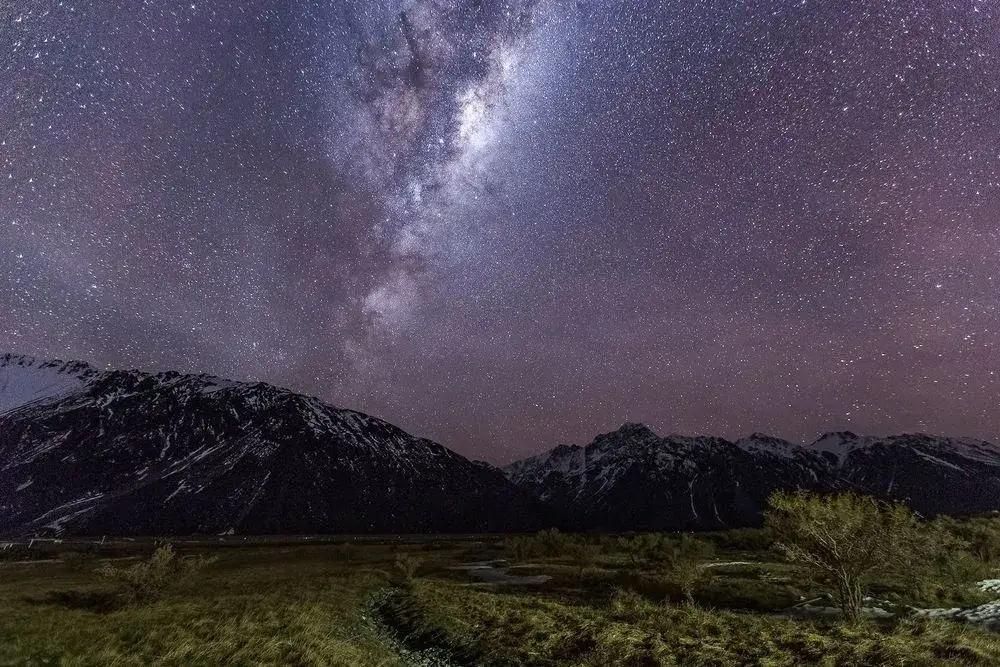
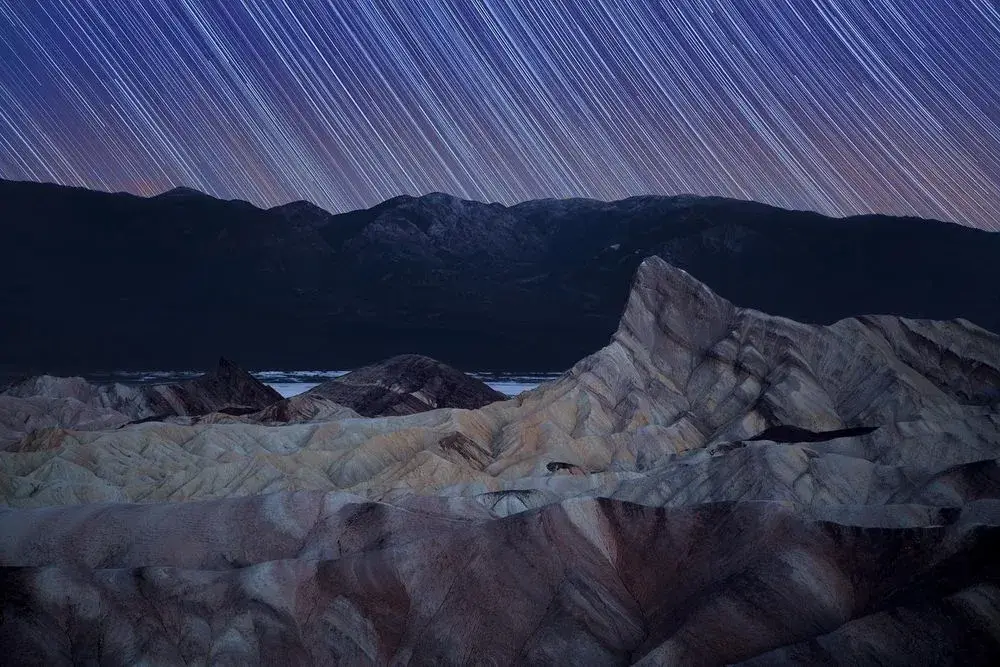
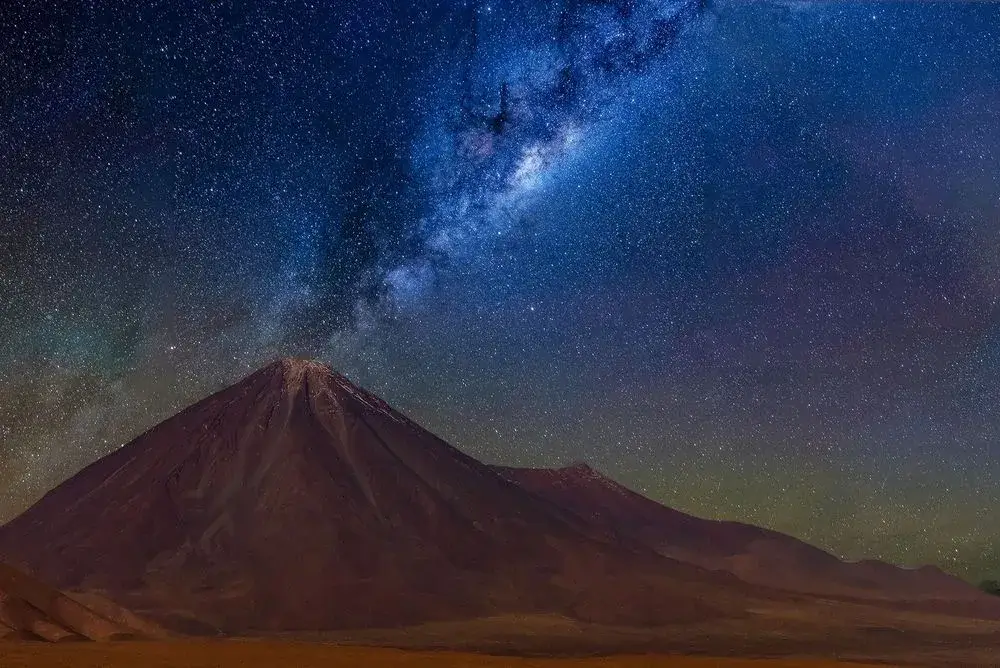
The question of what the sky would look like without light pollution is something many people wonder about and wish they could experience at least once. Unfortunately, this is a situation that requires people living in crowded cities to move to a less brightly lit place. Without light pollution, the sky would look like this:

Impressive, isn't it? Especially considering that most of us see a gray, starless sky when we look up at night.
Places in the world without light pollution.
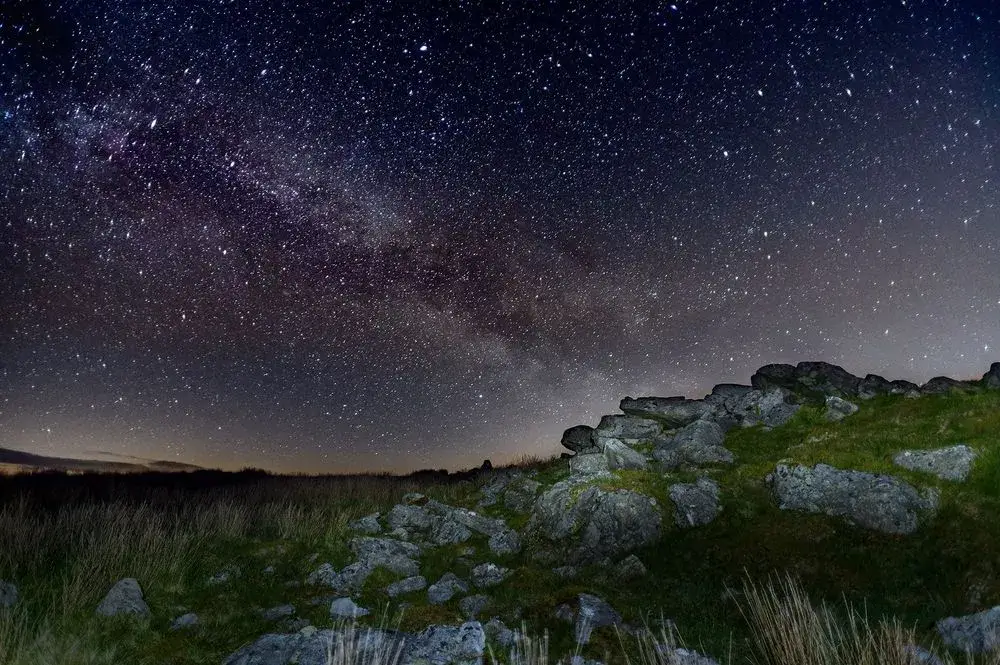

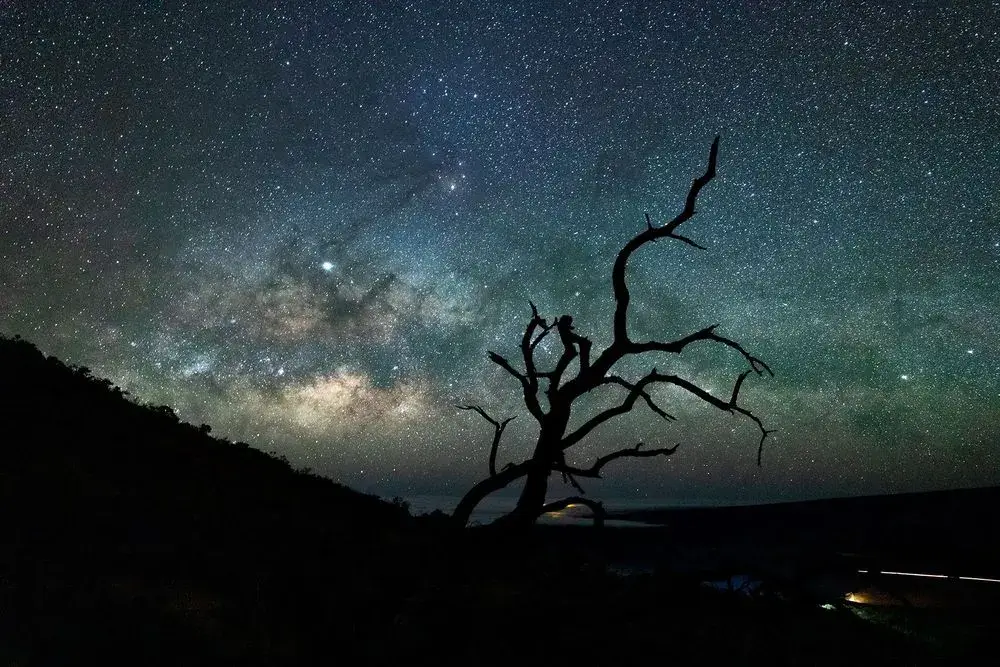

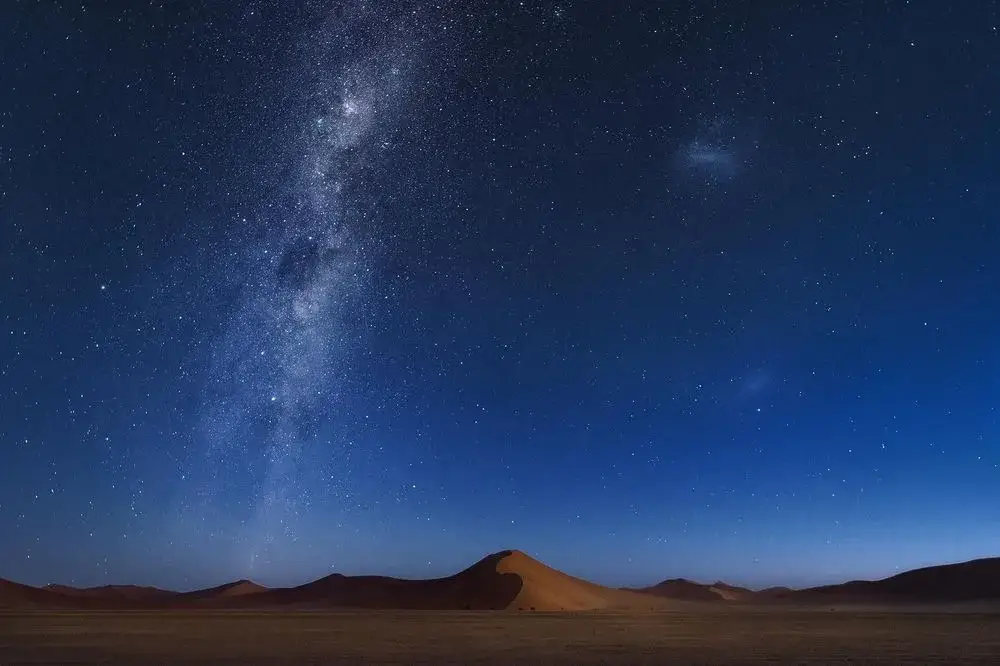
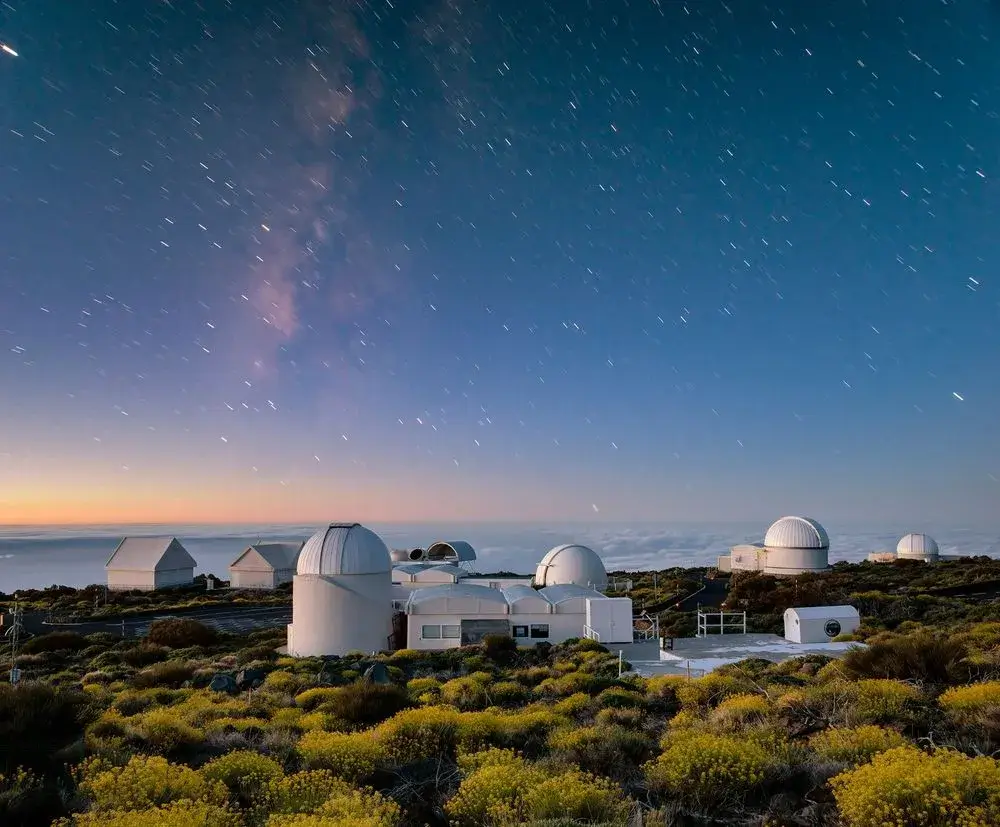

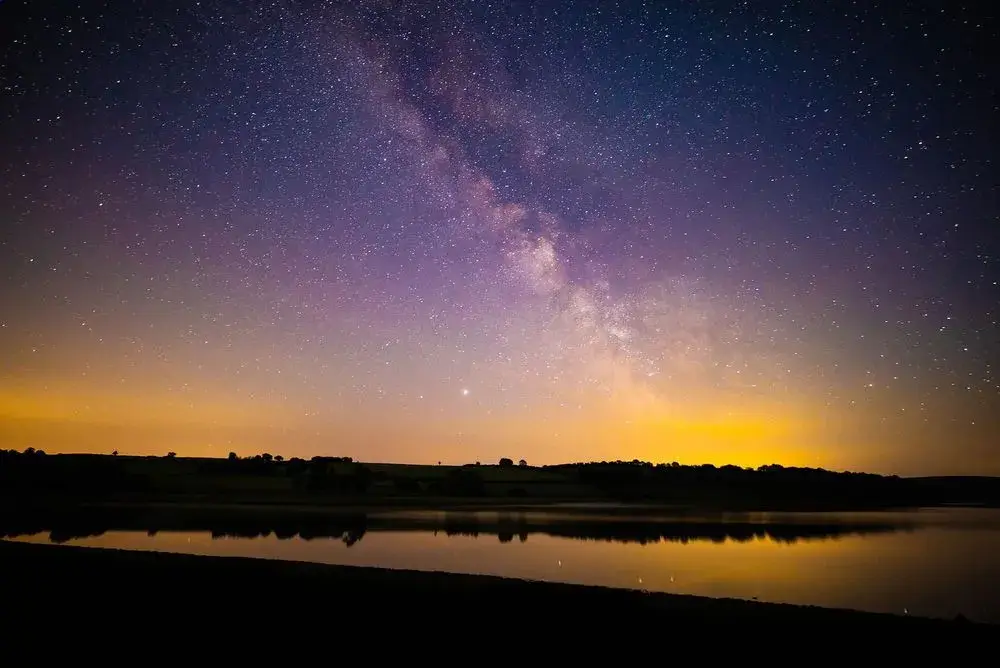
Brecon Beacons National Park, Wales
Aoraki Mackenzie International Dark Sky Reserve, New Zealand
Death Valley National Park, USA
Pic du Midi, France
Atacama Desert, Chile
Mauna Kea, Hawaii
Sark, Channel Islands
NamibRand Nature Reserve, Namibia
Teide Observatory, Tenerife
Kerry, Ireland
Exmoor National Park, England
The 10 Countries and Cities with the Highest Light Pollution
The brightest regions in the world, compared to areas without light pollution :
Moscow, Russia: 8.1 times brighter.
Riyadh, Saudi Arabia: 6.7 times brighter.
Montreal, Canada: 4.8 times brighter
Chicago, USA: 4.5 times brighter.
Toronto, Canada: 3.6 times brighter
Buenos Aires, Argentina: 3.5 times brighter
Detroit, USA: 2.9 times brighter
Mexico City, Mexico: 2.8 times brighter
Denver-Aurora, USA: 2.7 times brighter.
Miami, USA : 2.6 times brighter.
World Light Pollution Map
The Earth's light map can be shown as follows:

Light Pollution Map of Türkiye
Regarding light pollution, we can say that Turkey is in a better position compared to other countries.